If your ideal day includes walking to coffee, meeting friends for lunch, stopping by the park, and handling a few errands without turning everything into a major car trip, University Park deserves a closer look. For many buyers, the appeal here is not just the homes. It is the way daily life can feel connected, convenient, and grounded in a few well-loved local destinations. In this guide, you’ll see what walkable everyday living in University Park really looks like, who it tends to suit, and how the city’s layout supports a more comfortable routine. Let’s dive in.
What walkability looks like here
Walkability in University Park is best understood as node-based walkability. Instead of one giant urban core, the city offers a series of smaller everyday destinations that shape your routine.
That means you may live near places like Snider Plaza, the Hillcrest and Lovers Lane area, nearby parks, the public library, and school-centered destinations that make short trips simpler. Based on the city’s descriptions, that pattern supports the kind of daily living where errands, outings, and recreation can happen in smaller, manageable loops.
University Park is a predominantly residential community of more than 25,000 residents, located about five miles north of downtown Dallas. The city says it is home to Southern Methodist University and the George W. Bush Presidential Center, with more than 7,000 homes and easy access to cultural, recreational, shopping, and business activities.
Snider Plaza anchors daily routines
If you are exploring walkable living in University Park, Snider Plaza is likely the first place you will notice. Opened in 1927, it is the city’s original commercial district, and the city describes it as the heart of University Park and a walkable destination.
That description is backed by continued public investment. Improvements completed in November 2025 added new pavement, stormwater utilities, parking enhancements, pedestrian amenities, landscaping, lighting, and accessibility upgrades.
These details matter because walkability is not only about distance. It is also about whether a place feels comfortable, functional, and easy to use on foot.
The city’s management of the area also supports that experience. Outdoor seating is allowed in the public right of way through license agreements when ADA access is preserved, and the district includes active rules around parking, deliveries, and one-way alleys to help balance pedestrian activity with business needs.
More than one place to go
One reason University Park stands out is that daily convenience does not rely on a single commercial area. The city points to additional shopping and dining at Preston Center, along Preston Road near Lovers Lane, along Lovers Lane near the Tollway, and by SMU on Mockingbird.
For you as a resident, that can translate into more flexibility. Rather than planning one long outing for everything, you may find that groceries, dining, services, and casual meetups are spread across several nearby nodes.
That setup can be especially appealing if you want a neighborhood feel without giving up practical convenience. It supports a lifestyle where smaller trips fit more naturally into the week.
Parks make walking part of life
Walkable living is not only about shops and restaurants. In University Park, parks and civic spaces are a major part of the everyday experience.
The city maintains eight major parks for reservations, picnics, and events. That gives residents multiple public spaces to use for exercise, family time, and casual outdoor routines.
Caruth Park is one of the clearest examples of how this supports daily life. It offers a walking and jogging trail, two playgrounds, picnic tables, a fishing lake, and lighted tennis courts.
Other parks add variety depending on what matters most to you. Williams Park includes a playground, open space, and six pickleball courts. Burleson Park offers a playground, soccer field, tennis courts, and a picnic area. Centennial Park includes a gazebo and serves as the finish point for the Park Cities 4th of July Parade. Hitzelberger Park, at Lovers and Hillcrest, includes a water wall and sculpture.
Curtis Park also plays an important role in the city’s recreation pattern. It is described by the city as the summer aquatic, social, and recreational hub and is home to Holmes Aquatic Center.
Street character supports the experience
Some neighborhoods are technically walkable but do not feel especially pleasant on foot. University Park’s street character helps set a different tone.
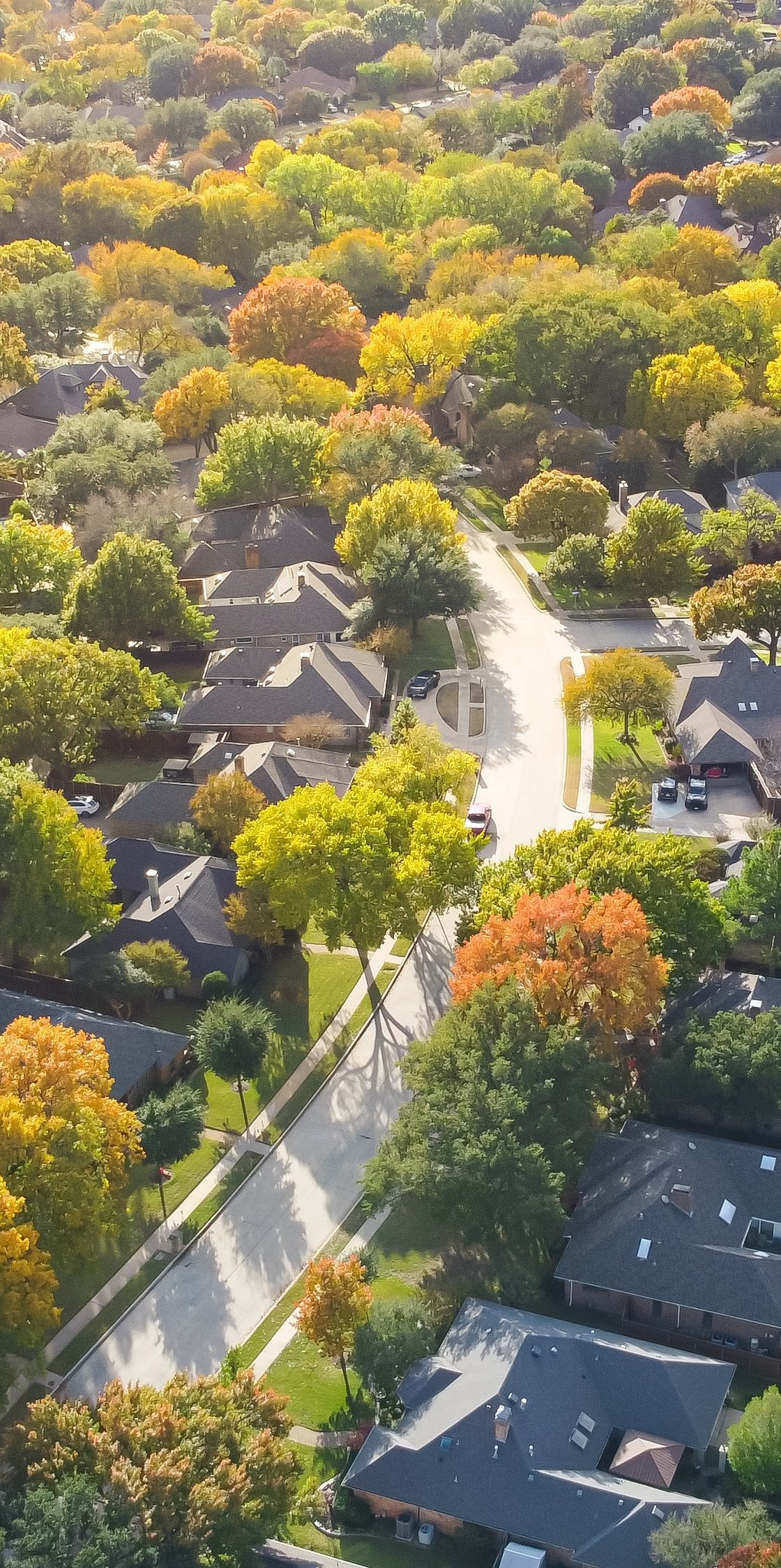
The city emphasizes tree-lined streets and parkway trees between the sidewalk and curb. Since 1982, residents have purchased more than 3,300 trees for parkway areas, and the city’s urban forestry plan is designed to preserve and diversify the tree canopy.
That canopy can shape how your everyday routes feel, especially during warmer months. Decorative antique street lamps along Hillcrest, Snider Plaza, Preston, and Lovers Lane also reinforce the area’s character and evening walking experience.
When buyers talk about a neighborhood feeling established, polished, or comfortable to move through, these are often the kinds of details they are noticing. They may not always show up in square footage or bedroom counts, but they can have a real effect on daily life.
Everyday living by lifestyle
For households with school-centered routines
University Park supports many routines that revolve around school, parks, and seasonal activities. University Park Elementary sits on Lovers Lane, and city programming includes events such as the Children’s Fishing Derby, Eggstravaganza, Movie in the Park, and Arbor Day tree plantings with HPISD students.
Holmes Aquatic Center adds another layer to that rhythm. It includes a 50-meter pool, a giant water slide, 3- and 1-meter diving boards, a walk-in ramp, a separate younger-children’s pool, and a zero-depth splash area, and it is available to University Park residents and HPISD residents.
If your week tends to revolve around school drop-offs, after-school play, weekend outings, and seasonal traditions, that kind of nearby programming can be a meaningful part of your home search. It helps create routines that feel local and repeatable.
For relocation buyers and working professionals
If you are moving from another city, walkability often means something practical. You may want a neighborhood where daily needs are easier to manage while you learn the broader area.
University Park offers that convenience through its mix of neighborhood retail nodes and transit connections. DART’s University Park fact sheet lists three bus routes and Park Cities GoLink connections to SMU and Mockingbird Station and to Dallas Love Field Airport.
That added transit layer may not replace driving for every trip, but it does broaden your options. For busy professionals or relocation buyers, that can make everyday logistics feel more manageable.
For empty nesters and active adults
Walkable living can also mean staying engaged without needing a packed calendar or a long drive. In University Park, the public library serves infants to senior citizens, and in the 2024 community survey, 57.1% of respondents said they had visited the library.
Outdoor options also support an active routine. Caruth Park’s trail is open from 6 a.m. to 11 p.m., and Williams Park offers pickleball and open space.
If you are looking for a neighborhood where you can build easy habits around reading, walking, recreation, and community events, those amenities can add steady value to everyday life.
Community traditions reinforce connection
One of the strongest signs of a livable neighborhood is not just where you can go, but how often people gather. University Park has a set of annual traditions that give the area a familiar rhythm throughout the year.
The city hosts Arbor Day celebrations with HPISD elementary students planting trees, the Holiday Tree Lighting at Snider Plaza, and the Park Cities 4th of July Parade, which moves through Highland Park and University Park before ending with activities at Centennial Park.
For buyers, these events can signal something important. They suggest that public spaces are not only there to look attractive on a map. They are actively used as part of community life.
The city treats walkability as a priority
It is one thing for a neighborhood to market itself as walkable. It is another for residents to show that pedestrian access matters to them.
In the 2024 community survey, pedestrian accessibility received both strong satisfaction and high importance scores. According to the city, 52.3% of respondents were very satisfied, 38.2% were satisfied, and 46.8% ranked it among their top two engineering priorities.
That tells you something useful if you are weighing lifestyle fit. In University Park, walkability appears to be more than a selling point. It is part of how residents evaluate and expect the public realm to function.
What this means for your home search
If you are searching in University Park, it helps to think beyond the home itself. A beautiful property may check the boxes on paper, but the real question is how well the surrounding area supports your daily rhythm.
You may want to ask yourself a few practical questions:
- Do you want to walk to parks, dining, or a neighborhood commercial area?
- Would access to several small retail and dining nodes make weekly errands easier?
- Are community events and civic spaces part of the lifestyle you want?
- Would tree-lined streets, sidewalks, and public gathering places shape how a neighborhood feels to you?
In University Park, those details can matter as much as finishes and floor plans. For many buyers, that is exactly what makes the area so appealing.
If you are trying to balance convenience, neighborhood character, and a more connected way of living, University Park offers a strong case. Its walkability is not defined by one single district. It comes from the way parks, local retail areas, civic spaces, and everyday routes work together to make life feel easier and more enjoyable.
When you are ready to explore homes and lifestyle fit in University Park, Texas Collective Group can help you navigate the neighborhood with thoughtful, local guidance.
FAQs
What does walkable living in University Park mean?
- In University Park, walkable living is best understood as access to small, connected everyday destinations like Snider Plaza, parks, the library, school-centered areas, and nearby shopping and dining nodes.
What are the main walkable areas in University Park?
- Key walkable destinations include Snider Plaza, the Hillcrest and Lovers Lane area, parks across the city, and additional shopping and dining areas near Preston Road, Lovers Lane, and SMU on Mockingbird.
Are there parks that support daily walking in University Park?
- Yes. Caruth Park includes a walking and jogging trail, and the city maintains eight major parks that support recreation, outdoor routines, and community gatherings.
Is Snider Plaza important for everyday life in University Park?
- Yes. The city describes Snider Plaza as the heart of University Park and a walkable destination, and recent improvements added pedestrian amenities, accessibility upgrades, lighting, landscaping, and parking enhancements.
Does University Park offer transit options for residents?
- Yes. DART’s University Park fact sheet lists three bus routes and Park Cities GoLink connections to SMU and Mockingbird Station and to Dallas Love Field Airport.
Why do buyers look at walkability in University Park?
- Many buyers value walkability because it can make daily errands, recreation, dining, and community activities feel easier, more flexible, and more connected to the neighborhood.