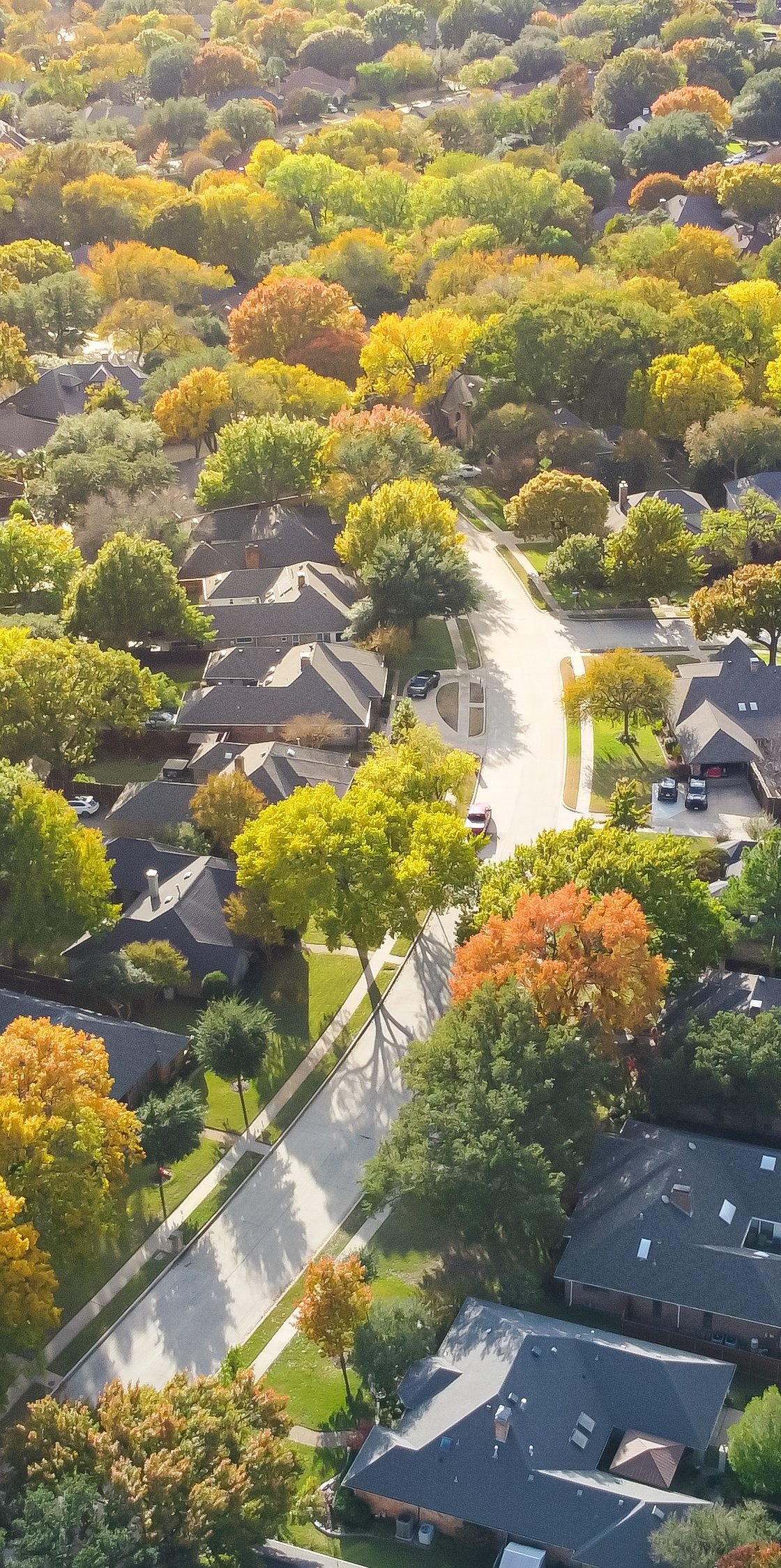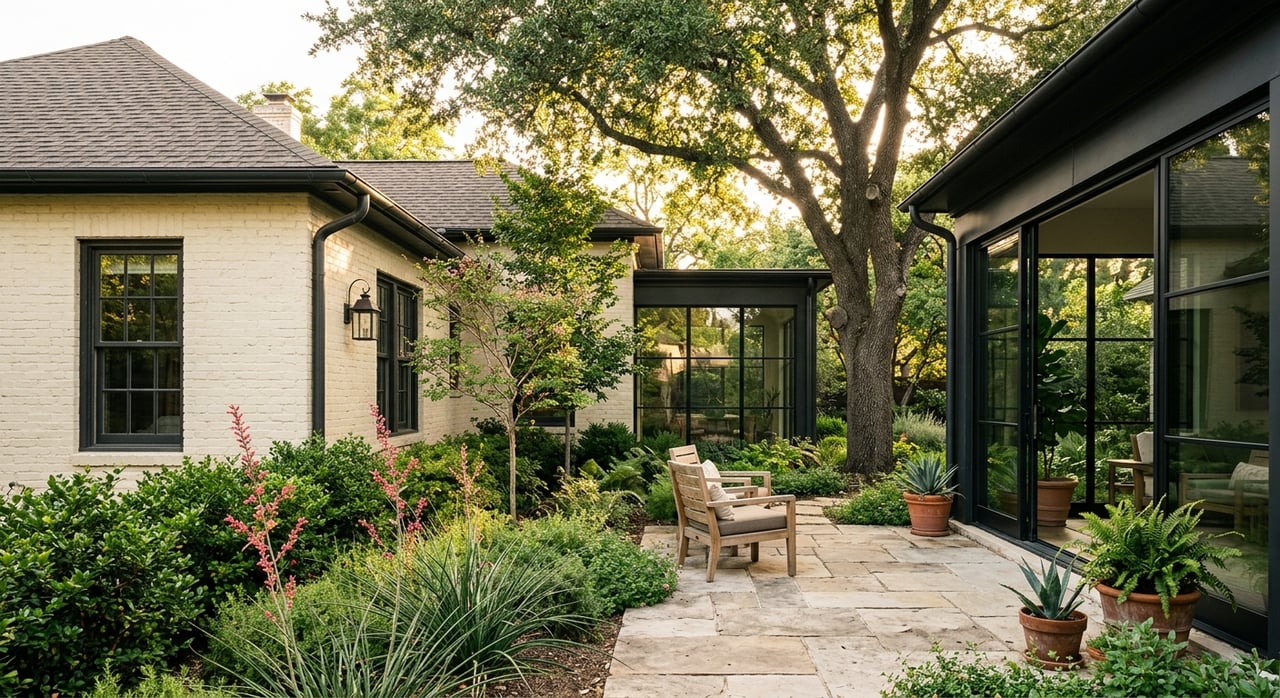
You do not buy a home in Munger Place just for square footage. You buy into a piece of Dallas history, and that can make renovation feel both exciting and intimidating. If you want to update an older home without stripping away what makes it special, the good news is that there is a smart path forward. Let’s dive in.
Why Munger Place character matters
Munger Place was developed around 1905 by the Munger Brothers and is recognized by the City of Dallas as an early deed-restricted subdivision. It is known for Prairie Four Square architecture, including symmetrical facades, broad porches, wide eaves, and low hipped roofs. The district also contains more than 200 homes, making it the largest intact collection of Prairie-influenced structures in North Texas.
That history is not just a nice talking point. Munger Place is both a Dallas Landmark District and listed on the National Register of Historic Places. In practical terms, that means the neighborhood’s street-facing character matters, and exterior changes are reviewed through the City of Dallas.
It also helps to know that Munger Place is not all one look. The district includes different tracts with Prairie-style single-family areas, Prairie-style multifamily areas, Victorian-style single-family areas, and a Collett retail tract. So when you renovate, the goal is not to make every home identical. The goal is to protect the original scale, roofline, porch rhythm, and street presence of your specific block.
Start with Dallas rules first
Before you choose windows, sketch an addition, or rework the front yard, you need to understand the local review process. In Munger Place, all work on properties requires a Certificate of Appropriateness, whether the structure is contributing or noncontributing. That review comes from the local Dallas landmark district rules, not from the National Register listing by itself.
The Certificate of Appropriateness is required before exterior work begins, and that includes landscaping. It is also separate from any building permit you may need. As of May 5, 2025, applications are processed through DallasNow.
Some smaller projects may qualify as Routine Maintenance and can be reviewed by staff. Dallas notes that these requests are typically processed within 21 days and often in 7 to 10 business days. Larger or more visible changes usually go through a fuller review process and may be heard at a public hearing.
If you are planning a major remodel, new construction, or anything close to demolition or removal, it is wise to slow down early. Dallas uses a separate review process for demolition or removal, and the city expects applicants to show that certain standards are met. That is one reason careful planning at the start can save you time, money, and frustration later.
Preserve the features people notice first
If you want to renovate without losing the soul of the house, focus first on the features that define how it reads from the street. In Munger Place, that usually means the front porch, eaves, roof form, window pattern, facade materials, and overall massing. These are the elements that carry the home’s architectural identity.
Dallas preservation guidance supports a simple approach. Repair rather than replace when possible, preserve distinctive materials and features, and make new work compatible without pretending it is original. That balance helps your home function better while still looking like it belongs in Munger Place.
Front porches deserve special attention. In this district, they are expected to remain covered and stylistically appropriate, and they cannot be enclosed with glass, mesh, or similar materials. If your renovation plan starts by turning the porch into interior space, that is a sign to rethink the design.
Roofs are another big one. Roof forms, slopes, and materials are expected to match the style and period of the house. Flat or mansard roof designs are generally not allowed, and aluminum roofing is prohibited under the district rules.
Windows and doors on the front facade also need care. Their openings should remain proportionally balanced, and fixed plate glass is generally not allowed unless it was part of the original period design. Even if a new option seems more convenient, visible changes to the front elevation can quickly alter the home’s historic character.
Plan additions that stay in the background
Most owners need more function from an older home. You may want a larger kitchen, an extra bath, or better flow for daily living. In Munger Place, those goals are usually easier to achieve when additions are placed at the rear or in less visible areas.
The general preservation standard is straightforward. Additions should stay subordinate to the historic house and should not overwhelm the original form. They should also be compatible in massing, scale, and materials, while still reading clearly as newer work.
That matters for resale too. Future buyers are often more comfortable with updates that feel layered in rather than imposed. A home can absolutely be modernized, but the original house should still be the star.
Do not overlook the lot and landscape
Many homeowners focus on the house and forget that site work is part of the review. In Munger Place, landscape and exterior site features can affect whether a renovation feels appropriate. A project can look historically out of step even when the house itself has barely changed.
The district ordinance includes specific limits and design controls. Front and side yard fences are limited to 3 feet, while rear-yard fences can be taller. Solid masonry and chain-link fencing are generally pushed to the rear.
Driveway design matters too. Front-yard driveways are limited to 10 feet wide, and circular driveways in the front yard are generally not allowed. Lighting, retaining walls, and paving materials are also reviewed for compatibility.
If you are mapping out a full renovation budget, include the exterior site plan in your early conversations. It is much easier to adjust a driveway layout or fence concept on paper than after designs are finalized.
Renovation choices that raise red flags
Some updates are much more likely to trigger review issues because they change how the home looks from the street. If you are trying to protect value and avoid avoidable setbacks, these deserve extra caution:
- Changing the roof shape
- Enlarging or relocating front windows
- Enclosing a front porch
- Adding a street-facing addition
- Installing a taller front fence
- Widening the front driveway
- Replacing original masonry or wood details with modern-looking substitutes
That does not mean every one of these ideas is impossible. It means they deserve careful planning and early review because they affect the character-defining features Dallas is trying to protect.
Smart upgrades that usually make sense
In many historic homes, the best renovation strategy is not the flashiest one. It is the one that improves daily life while keeping the public-facing character intact. That often means prioritizing kitchens, baths, mechanical systems, and behind-the-scenes infrastructure before making dramatic visible exterior changes.
This approach lines up with what future buyers are likely to appreciate. A well-updated interior paired with a legible historic exterior often feels more timeless than a home where the facade has been heavily altered. In a neighborhood like Munger Place, thoughtful restraint can be a real asset.
Keep records as you renovate
Good documentation is not glamorous, but it can make a major difference. Dallas requires complete documentation for a Certificate of Appropriateness application, and preservation guidance also values physical and documentary evidence when original features are repaired or replaced.
A simple project file can help you stay organized and support future resale. Try to keep:
- Before-and-after photos
- Old permits
- Contractor notes
- Product details and materials information
- Drawings and design revisions
- City approvals and related paperwork
If you sell later, that paper trail can help explain the work clearly to buyers. It can also make future preservation review easier if another project comes up down the road.
Ask about historic tax incentives
Renovating a historic home can be expensive, so it is worth understanding whether your project may qualify for local incentives. Dallas states that the city offers tax incentives for rehabilitation projects on historic properties, including properties in landmark districts. Applicants must work through the city’s process and meet annual DCAD filing requirements.
For some homeowners, that creates an opportunity to preserve the house and support the economics of the project at the same time. If you are weighing renovation costs against long-term value, this is one more reason to plan carefully instead of rushing into design decisions.
A thoughtful renovation protects value
In Munger Place, the homes that tend to age best are often the ones where updates respect the original architecture instead of competing with it. When the porch stays welcoming, the roofline stays true, the windows remain balanced, and additions stay secondary, the house keeps the character that drew you in the first place.
That is also what makes these homes easier to understand and appreciate in the market. Buyers looking at historic East Dallas properties often respond to authenticity, not just finishes. When your renovation honors the home’s original story, you are not just preserving charm. You are making a more durable long-term investment in both lifestyle and resale appeal.
If you are weighing a purchase, preparing a future sale, or trying to decide how much renovation makes sense for a historic property, the right guidance can make the process feel much more manageable. The team at Texas Collective Group brings thoughtful neighborhood perspective and concierge-level support to Dallas buyers and sellers who want to make smart decisions with character homes.
FAQs
What approvals do you need to renovate a Munger Place home in Dallas?
- You need a Certificate of Appropriateness before exterior work begins, including landscaping, and that approval is separate from any building permit.
What exterior features matter most in a Munger Place renovation?
- The features that matter most are usually the front porch, roof form, eaves, window pattern, facade materials, and the overall massing of the house.
Can you enclose a front porch on a Munger Place historic home?
- No. In the district rules, front porches are expected to remain covered and stylistically appropriate, and they may not be enclosed with glass, mesh, or similar materials.
Where should you place an addition on a Munger Place house?
- Additions are usually easiest to justify when they are placed at the rear or in another less visible area and remain subordinate to the original house.
Are fences and driveways reviewed in Munger Place?
- Yes. The district ordinance reviews site features such as fences, driveway width, paving, lighting, and retaining walls for compatibility.
Are there tax incentives for renovating a historic home in Munger Place?
- Dallas says the city offers tax incentives for rehabilitation projects on historic properties, including homes in landmark districts, with required city process and annual DCAD filings.