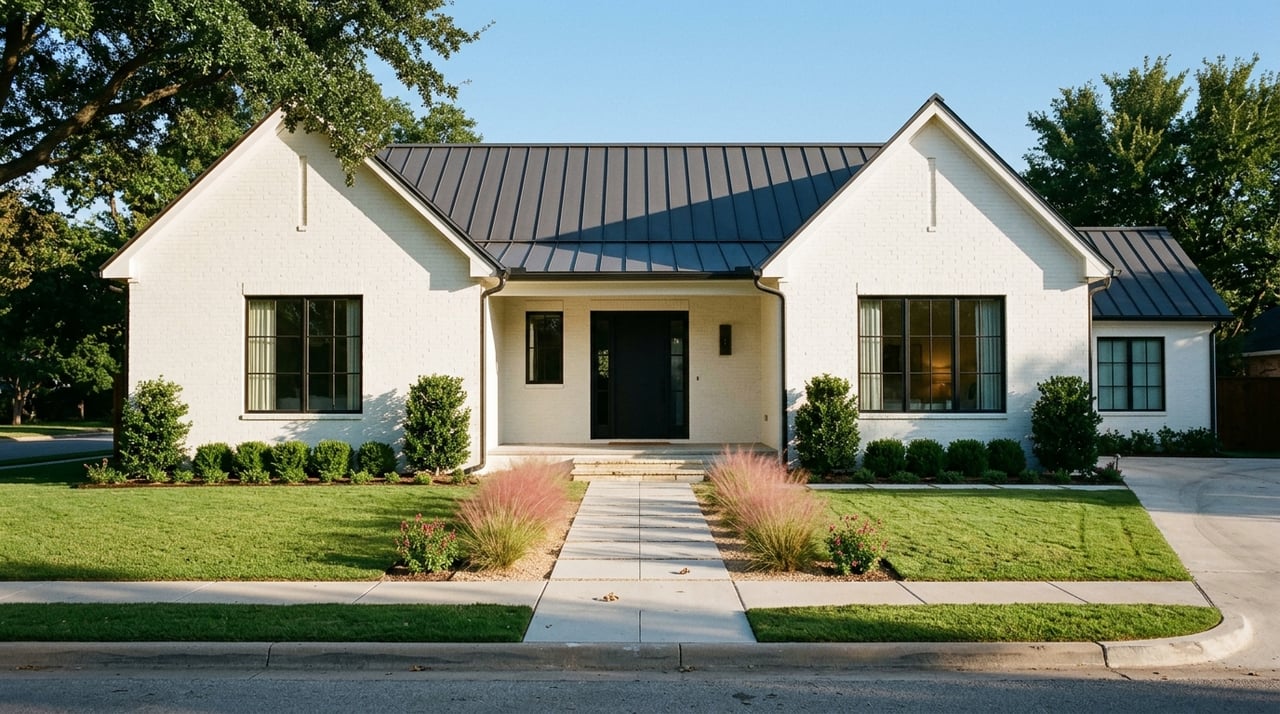
If you love where you live but need more space, a same-district move can feel like threading a needle. You are not just buying your next home. You are also trying to protect your timing, your budget, and your school assignment within Coppell ISD. The good news is that with the right plan, you can make a move-up purchase with fewer surprises and more confidence. Let’s break down what matters most.
Why the address matters in Coppell ISD
A move within Coppell ISD is not always as simple as staying in the same general area. Coppell ISD serves more than 13,100 learners and spans Coppell, Dallas in Cypress Waters, North Irving, Lewisville, and Valley Ranch. Because of that footprint, the specific address you buy can affect campus assignment.
That is why the school search should happen alongside the home search, not after you go under contract. Coppell ISD maintains attendance zone and enrollment resources, and those tools should be part of your decision-making before an offer is finalized. If staying tied to a certain attendance zone is important to your family, verify the target address early.
Start with two parallel tracks
A smart move-up plan usually begins with two conversations at the same time. First, confirm whether the homes you are considering fall within the attendance zone you want. Second, talk with lenders early so you understand what purchase path fits your finances.
The Consumer Financial Protection Bureau recommends shopping multiple lenders and getting preapproved before home shopping in earnest. That matters even more in a same-district move because your financing strength can shape whether you sell first, buy first with a contingency, or explore bridge financing.
Your main move-up options
There is no one-size-fits-all strategy for buying your next home while selling your current one. The best path depends on your equity, your monthly comfort level, and how much timing risk you are willing to carry.
Sell first
Selling first is the most straightforward option for many homeowners. It can lower the risk of carrying two mortgages at once, which often makes the budget easier to manage.
The tradeoff is timing. If your current home sells before your next one is ready, you may need temporary housing or storage while you bridge the gap.
Buy first with a home-sale contingency
A home-sale contingency can give you time to sell your current home before the new purchase is completed. A home-close contingency can give you time to close on your current sale before buying the next home.
This can be a helpful middle ground if you want to keep your options open. Still, sellers may continue marketing the home if a kick-out clause is included, so timeline management matters a lot.
Use bridge financing
A bridge loan is temporary financing, generally with a term of 12 months or less, that can help you buy a new home while planning to sell your current one within that period. For some move-up buyers, this can unlock equity before the old home closes.
That added flexibility may help you avoid a contingency offer. But it also means you need a very clear understanding of costs, timing, and what happens if your current home takes longer to sell than expected.
Negotiate a rent-back
A rent-back, also called a leaseback, allows you to stay in your current home for a negotiated period after closing. In a move-up scenario, that can create breathing room between transactions and reduce the chance of moving twice.
This approach can be especially useful if your current home is ready to sell but your next purchase needs a little more time to line up. Rental compensation and the final move-out date should be negotiated carefully.
Build your budget for the overlap
Move-up buyers often focus on the new purchase price, but the real pressure usually shows up in the overlap. Closing costs alone typically run about 2% to 5% of the purchase price, and that is before moving expenses, repairs, furniture, or improvements.
If your old home has not sold yet, you may also be covering a period of double housing costs or temporary housing. Looking at the full cash picture upfront can help you avoid becoming house-rich and cash-tight during the transition.
Don’t overlook Texas homestead timing
When you move from one primary residence to another, your property tax picture deserves an early review. In Texas, the general residence homestead exemption applies to a home you own and use as your principal residence, and you must state that you are not claiming another residence homestead exemption in or outside Texas.
Texas school districts must provide a $140,000 homestead exemption on a qualifying residence homestead. Exemption applications are generally filed with the local appraisal district by May 1, so if you are planning a move-up purchase, it is wise to understand how your replacement home will be treated.
Create a timeline around school and closing dates
In a same-district move, the timeline matters almost as much as the house itself. Contract contingencies come with deadlines, and if those conditions are not met within the stated period, either side may be able to cancel without penalty if they acted in good faith.
That is why your school-zone check, financing plan, listing preparation, and move date should work together from the start. Many families find it helpful to line up their move with the school calendar when possible, especially if they are trying to reduce disruption during the transition.
A simple planning checklist
If you are preparing for a move-up purchase while staying in Coppell ISD, these are the key pieces to lock down early:
- Confirm the attendance zone for each target address
- Estimate the equity in your current home
- Get preapproved and compare lender options
- Choose a strategy: sell first, contingency, bridge financing, or rent-back
- Budget for closing costs, moving costs, and any overlap period
- Review Texas homestead exemption timing for the replacement home
- Align your contract timeline with your ideal move date and school calendar
Why guidance matters in a same-district move
A move-up purchase can look simple on paper, but in practice, it is a layered transition. You are balancing home value, equity, timing, financing, and school assignment all at once.
That is where a thoughtful, local plan can make the process feel far more manageable. When you work with a team that understands neighborhood-by-neighborhood search strategy and the moving parts of a coordinated sale and purchase, you can make decisions with more clarity and less stress.
If you are thinking about your next step in Coppell ISD, Texas Collective Group can help you map out a move-up strategy that fits your timing, goals, and comfort level.
FAQs
How do you stay in Coppell ISD when buying a larger home?
- Check the attendance zone for the specific address before you finalize an offer, because campus assignment is address-sensitive within Coppell ISD.
What is the safest move-up strategy for a Coppell ISD homeowner?
- Selling first often lowers the risk of carrying two mortgages, but the best strategy depends on your equity, financing options, and tolerance for timing gaps.
Can you buy a home in Coppell ISD before selling your current home?
- Yes, some buyers use a home-sale contingency, home-close contingency, bridge financing, or a negotiated rent-back to create more flexibility.
What costs should move-up buyers in Coppell ISD budget for?
- In addition to the down payment, budget for closing costs of about 2% to 5% of the purchase price, plus moving expenses, repairs, furnishings, and any overlap in housing costs.
How does the Texas homestead exemption affect a move-up purchase?
- Texas homestead rules apply to your principal residence, and qualifying homes may receive a school district homestead exemption, so you should review the timing and filing requirements with your local appraisal district after a move.