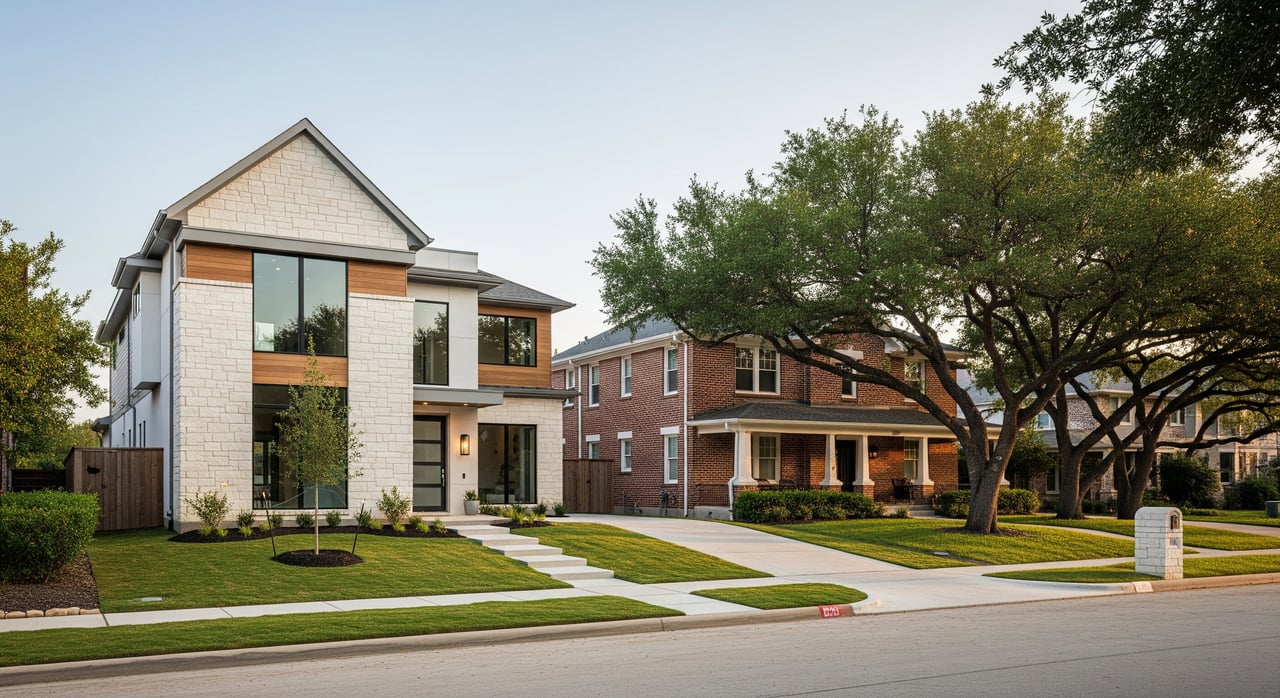
Trying to choose between a brand-new build or a well-kept resale inside Frisco ISD? If school assignment, timing, and budget are top of mind, you are not alone. Frisco ISD’s strong reputation draws steady demand, which makes this a smart but nuanced decision. In this guide, you will see how new construction and resale compare on price, taxes, timelines, warranties, energy efficiency, and long-term value, plus what to verify about school boundaries before you sign. Let’s dive in.
How Frisco ISD drives demand
Frisco ISD is widely known as a high-performing, fast-growing suburban Texas district. That reputation influences home values and competition inside its boundaries. As a buyer, you will feel that demand in both new and established neighborhoods.
Attendance zones can change as the district grows. Builders may share current school assignments for a community, but you should confirm the specific address with the district’s official attendance maps or in writing. If school placement is central to your decision, build your offer strategy around verified information.
New construction vs resale: what changes your bottom line
Purchase price and net cost
New construction often carries a premium per square foot because you are getting brand-new finishes, builder overhead, and the latest features. That sticker price can be offset by builder incentives like closing cost credits, rate buydowns, or upgrade packages that reduce your net cost.
Resale homes can deliver better negotiated pricing, especially if they need updates or if days on market are rising. You may find more room to negotiate when you bring strong comps and a clean offer.
Total cost of ownership
New homes usually have lower near-term maintenance costs. Systems, appliances, and roofs are new, and energy codes are current, which can help with monthly utilities.
Resale homes may need immediate repairs or renovations. Budget for potential updates to roofs, HVAC, windows, or kitchens and baths. Weigh the lower purchase price against those likely near-term costs.
Appraisal and lending
Lenders treat new and resale similarly, but new neighborhoods can face appraisal challenges early on if comparable sales are limited. If you are building in a fresh phase, prepare for that appraisal dynamic.
Incentives from builders can change your monthly payment. A rate buydown or lender credit may make a higher list price more affordable in the first years, so compare full scenarios, not just sticker prices.
Land, lifestyle, and community feel
Lot size and orientation
Many new master-planned communities use narrower, efficient lots to increase walkability and amenity access. Some phases still offer larger or estate-size lots, but these are limited and often priced at a premium.
Resale neighborhoods tend to have larger lots and mature trees. Established landscaping and wider setbacks can create more privacy and shade that are hard to replicate in new sections.
Amenities and HOA experience
New communities often deliver resort-style amenities. Pools, trail systems, playgrounds, and event programming are common. These features can be a lifestyle win, but they come with active HOAs and design standards.
Established resale areas may not have a large amenity center but can sit close to city parks, shops, and established infrastructure. HOAs, if present, may be less restrictive and sometimes cost less.
Taxes, MUDs, and assessments
Many new developments in Texas rely on Municipal Utility Districts. MUD taxes are added to city, county, and ISD taxes and can raise early-year tax bills while infrastructure is repaid.
Fully built-out resale areas typically do not have MUD taxes and may offer more predictable total tax rates. Always review county appraisal records and developer disclosures to understand projected taxes and any assessments.
Timing your move
Resale timeline
From contract to close, a resale purchase can often wrap in 30 to 45 days, depending on financing and contingencies. If you need to move on a set date tied to a job start or a lease end, resale usually gives you more certainty and speed.
New construction timeline
If you buy a completed spec home, your closing timeline can mirror resale. If you select a lot and build from plans, expect a design period plus several months of construction. Timelines often range from 3 to 9 months for production builders and can extend longer for larger or custom builds. Weather or supply chain issues can shift dates, so ask for schedule milestones and remedies for delays.
Quality, inspections, and warranties
Resale inspections and risks
Independent inspections are essential for resale. You can negotiate repairs, credits, or price adjustments based on findings. Hidden issues like foundation movement, drainage, or aging systems can add cost if not addressed.
New build walk-throughs and warranties
Builders commonly provide tiered warranties, such as 1-year workmanship, 2-year systems, and 10-year structural coverage. Coverage varies by builder and warranty provider, so review documents closely.
Even with a warranty, schedule independent third-party inspections at key stages. Pre-pour, pre-drywall, and final inspections help you document items while the home is open and while warranty timelines are active.
Customization and design choices
New build selections
Buying early often gives you the chance to choose finishes, floor plans, and upgrades that match your needs. Customization can boost satisfaction and future resale if the choices are mainstream.
Upgrades through the builder are convenient and typically priced at a premium. Prioritize items that are hardest to change later, like structural options, electrical layout, and flooring continuity.
Updating a resale
Resale properties provide immediate character and established settings. If you plan to update, you control the style and budget over time. Just weigh renovation scope against the time and temporary disruption that projects can bring.
Energy efficiency and monthly utilities
New homes benefit from current energy codes, efficient HVAC, improved insulation, and low-E windows. These features can lower monthly utilities and reduce maintenance surprises in the first years.
If you prefer resale, consider targeted upgrades like attic insulation, window replacements, and high-efficiency HVAC to close the gap. A strong inspection can help you prioritize which systems to tackle first.
Resale value and long-term outlook
Inside Frisco ISD, school proximity, neighborhood desirability, and community amenities are strong drivers of value. New communities can appreciate as roads, schools, and retail fill in, though the initial new-home premium can moderate near-term returns.
Updated resale homes on larger lots or near highly desired amenities can hold value well and sometimes outperform, especially when maintenance is documented. Monitor any attendance-zone updates and new campus announcements as those shifts can influence buyer demand.
Frisco ISD priorities to verify
Confirm attendance zone in writing
If school assignment matters for your decision, confirm it for the exact address using the district’s official resources. Ask for written clarity if it is a contingency in your offer.
Proximity vs. assignment
Being close to a school does not guarantee assignment. Boundaries may shift with growth or new-campus openings. Evaluate today’s map and the potential for changes over your likely hold period.
Programs and after-school logistics
Frisco ISD offers various programs with separate eligibility and applications. Also consider day-to-day logistics like drop-off traffic, carpool patterns, and access to sports or arts facilities. These factors shape your daily routine as much as the address.
Smart questions to ask
If you are buying new construction
- What are the warranty terms for workmanship, systems, and structure, and who services claims?
- Are independent third-party inspections allowed at pre-pour, pre-drywall, and final?
- What is the estimated build timeline, what can delay it, and what remedies exist if it slips?
- Is there a MUD or other special assessment, and what is the projected total tax rate for this lot?
- How is the HOA structured, what are the current or estimated fees, and what do the CC&Rs restrict?
- What incentives are available, and what are the lender or closing requirements tied to them?
- Are future phases planned nearby that could affect views, privacy, traffic, or school zoning?
If you are buying resale
- What repairs or upgrades have been completed, and are there permits or warranties available?
- What is the property’s tax and assessment history, and were there recent valuation protests?
- Are there known neighborhood issues such as drainage, easements, noise, or traffic patterns?
- How healthy is the HOA, are there pending assessments, and what are the key rules and fees?
Due diligence checklist
- Verify the Frisco ISD attendance zone for the exact address or lot.
- Review county appraisal district records for tax history, MUD status, and assessed value trends.
- Request and review CC&Rs, HOA budgets, and reserve studies if applicable.
- Order thorough inspections for resale, and stage inspections plus a detailed punch list for new builds.
- Get the builder’s full warranty packet in writing and log claim procedures.
- Pull recent comparable sales within the same attendance zone for pricing and appraisal support.
- Check floodplain status and elevation certificates if relevant.
Negotiation and strategy tips
- If school assignment is essential, include a contingency based on confirmed assignment when possible.
- For new construction, lock deadlines for selections and include remedies for material delays.
- For resale, use inspection findings and attendance-zone comps to support price or repair requests.
- Consider timing. If you need to move fast, resale or a completed spec home can reduce risk and interim housing costs.
Which path fits you
- Choose new construction if you value customization, lower short-term maintenance, modern amenities, and you can wait for completion. Just account for MUD taxes and HOA rules in your budget.
- Choose resale if you want larger lots, mature trees, established character, and a faster move-in. Budget for updates and verify system ages to avoid surprises.
- In both cases, the exact school assignment, builder or seller transparency, and tax structure should guide your final decision.
When you are ready to compare homes inside your target Frisco ISD zones, our team will help you verify school boundaries, line up inspections, analyze taxes and MUDs, and negotiate incentives or repairs. Reach out to the Texas Collective Group to map a plan that fits your timeline and goals.
FAQs
What costs differ most between new and resale homes in Frisco ISD?
- New builds can have higher list prices but lower early maintenance and possible incentives, while resale homes may be priced lower per square foot but could need immediate updates and repairs.
How do MUD taxes affect my budget in new Frisco communities?
- MUD taxes add to your total property tax bill in early years to repay infrastructure, so confirm projected rates for the specific lot and include them in your monthly payment analysis.
Are builder warranties enough to skip inspections on a new home?
- No. Warranties help, but third-party inspections at key stages catch issues early and help you document items within warranty timelines.
Will a new home appreciate faster than a resale in Frisco ISD?
- Appreciation depends on location, attendance zone, lot quality, and demand. New homes can appreciate as amenities mature, but initial premiums may limit near-term gains.
How fast can I close on a home in Frisco ISD?
- Resale closings often take 30 to 45 days. A completed spec home can be similar, while a build-to-order home can range from several months to a year depending on plan and market conditions.
How do I confirm a home’s Frisco ISD school assignment before I buy?
- Use the district’s official attendance resources to verify the exact address and request written confirmation if school placement is a key factor in your offer.