If you love the charm of Lakewood and East Dallas but do not love the idea of constant yard work, repairs, and exterior upkeep, you are not alone. Many buyers want the character, access, and lifestyle this part of Dallas offers without taking on the full maintenance load that often comes with older homes. The good news is that you do have options, and understanding the trade-offs can help you choose with more confidence. Let’s dive in.
Why low-maintenance living stands out here
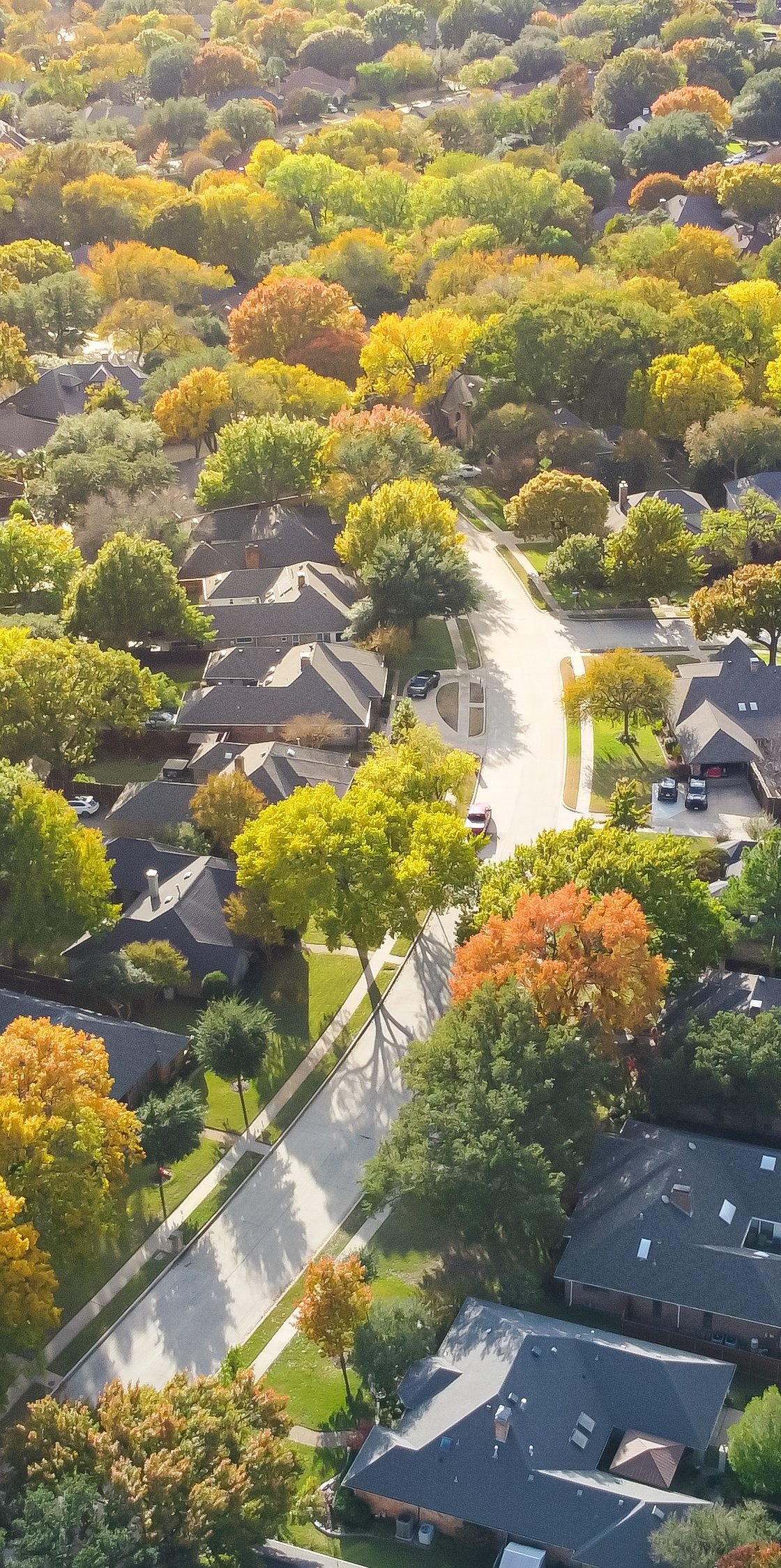
Lakewood and nearby East Dallas neighborhoods are known for their long-established character and older housing stock. City of Dallas materials note that Lakewood is a conservation district in East Dallas, and much of the area was developed between 1925 and 1946.
That history is part of the appeal, but it also helps explain why upkeep matters so much in this pocket of Dallas. Older homes can bring more exterior maintenance, more repair decisions, and in some cases more design review requirements than buyers first expect.
At the same time, this area offers a lifestyle that keeps demand strong. White Rock Lake is a major local draw, with Dallas Parks reporting 1,015 acres, a 9.33-mile hike-and-bike trail, and access to boating, birding, picnicking, and rental facilities.
For many buyers, that creates a sweet spot. You can stay close to neighborhood character, outdoor access, and central Dallas connectivity while choosing a home type that cuts down on day-to-day maintenance.
What low-maintenance living really means
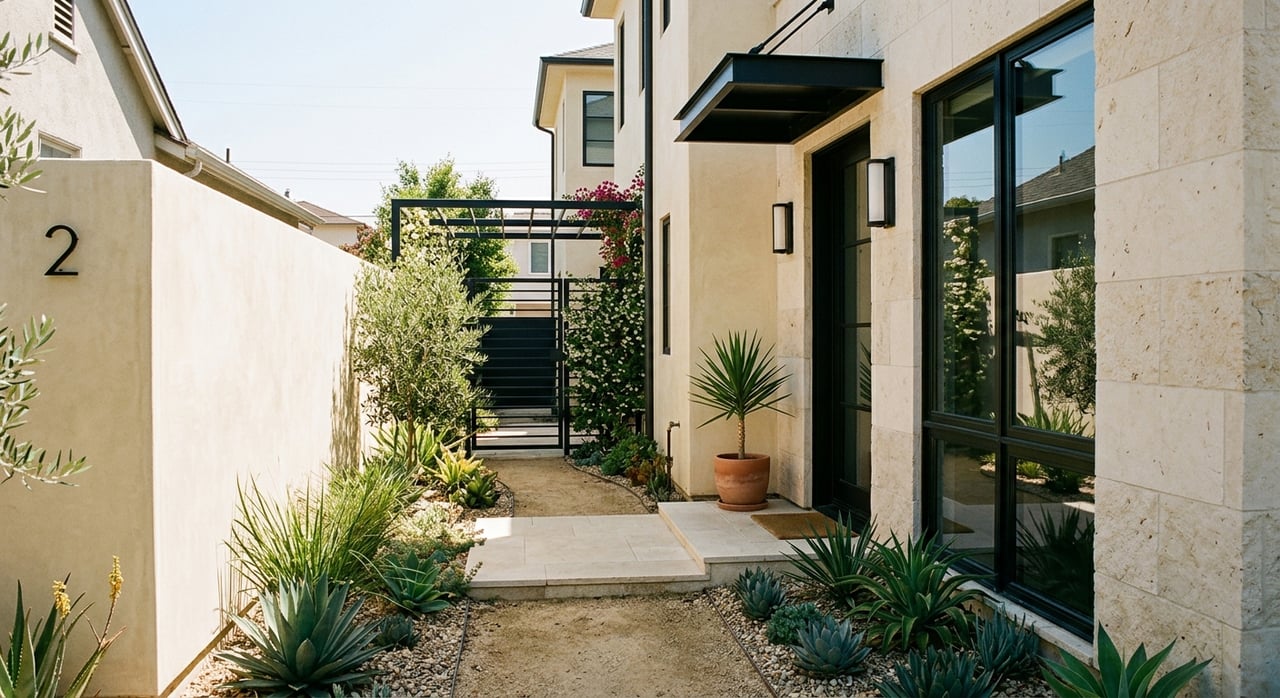
In Lakewood and East Dallas, low-maintenance living usually means giving up some land, exterior control, or both in exchange for fewer chores and fewer repair responsibilities. That can look very different depending on the property type.
For one buyer, low-maintenance means no lawn care and easy lock-and-leave convenience. For another, it means keeping a detached home but choosing a smaller lot that is easier to manage.
The key is to look beyond the marketing language. A home may be described as easy to maintain, but the real answer depends on the ownership structure, the governing documents, and any neighborhood rules that affect exterior changes.
Condos offer the most lock-and-leave ease
If your top priority is minimizing exterior upkeep, condos are usually the clearest fit. Under Texas condominium law, the association is responsible for maintenance, repair, and replacement of the common elements, while the owner is responsible for the unit itself.
That structure often makes condos the simplest ownership option for buyers who travel often, split time between homes, or just want fewer home tasks on their list. In practical terms, condos tend to offer the easiest lock-and-leave lifestyle in Lakewood and East Dallas.
There are still details to review carefully. Texas law also notes that, unless the declaration says otherwise, owners are generally responsible for unit-specific utility equipment and for windows and doors that serve only their unit.
So while condos can reduce exterior maintenance, they also come with shared-space living and less freedom to change the outside appearance on your own. If convenience matters more to you than exterior autonomy, this trade-off may feel well worth it.
Townhomes balance convenience and ownership
Townhomes often sit in the middle of the low-maintenance spectrum. They can offer less yard work than a detached house while still giving you a more house-like feel than a condo.
In Texas, townhouse communities usually operate within the broader property owners’ association framework. That means the maintenance split depends heavily on the governing documents, including rules, procedures, restrictions, and owner responsibilities.
This is where buyers need to slow down and read the details. In one townhome community, the association may handle much of the exterior upkeep. In another, you may still carry more responsibility for the structure, small yard areas, or certain repairs.
If you want a blend of lower maintenance, more privacy than a condo, and a strong sense of structure around upkeep, townhomes are often worth a closer look. They can be especially appealing if you want to stay close to East Dallas amenities without taking on a larger detached property.
Smaller-lot homes keep the detached feel
Not every low-maintenance buyer wants attached living. Some people still want a detached home, a bit of privacy, and outdoor space, just without the demands of a classic large-lot property.
That is where smaller-lot detached homes and newer infill can make sense. Dallas planning materials describe Lakewood and similar areas as traditional single-family detached neighborhoods, while the White Rock East area plan points to features that may include shorter blocks, narrower streets, sidewalks, greenbelts, hike-and-bike trails, and transit access in newer areas.
This option can be a strong compromise if you want the feel of a house without the full weight of a larger yard and more extensive exterior care. Still, it is important to go in with clear expectations.
Even on a smaller lot, a detached home usually asks more of you than a condo or fully managed attached community. You may reduce the maintenance load, but you typically do not eliminate it.
Exterior rules matter as much as maintenance
One of the biggest mistakes buyers make is focusing only on chores and not enough on rules. In Lakewood and East Dallas, that can create surprises after closing.
Texas State Law Library guidance explains that HOA rights depend on the association’s governing documents along with state law. It also notes that Texas does not have a state agency that oversees HOAs.
That means the declaration, bylaws, and rules deserve the same attention as the layout, finishes, and monthly payment. They can shape everything from approval processes to maintenance responsibilities to what changes you can make outside.
This matters even more in a part of Dallas with established neighborhood character. A home might be easy to care for on a daily basis but still involve design or approval requirements that affect renovations or exterior updates.
Preservation overlays can affect your plans
In East Dallas, exterior review is not limited to condos or townhome associations. City preservation and neighborhood compatibility rules can also come into play.
The City of Dallas says a Neighborhood Stabilization Overlay is meant to maintain the built character of a single-family neighborhood without the administrative burden of a historic overlay or conservation district. The city also states that M Streets conservation district regulations apply to renovations, remodeling, and new construction.
For buyers, the takeaway is simple. Low-maintenance does not always mean low-regulation.
If you are considering a home in or near a conservation-focused area, it helps to separate two questions. First, how much physical upkeep will the property require? Second, how much review or approval might apply if you want to change the exterior later?
Monthly dues need context
It is easy to look at HOA or condo dues and treat them as just another cost line. In reality, those dues are part of the ownership structure and should be judged by what they actually cover.
For condos, Texas law assigns the association responsibility for common elements, though the declaration can change some details. For property owners’ associations, Texas law allows assessments for common-area maintenance and improvements.
That means one community’s monthly dues may support a very different ownership experience than another’s. A higher monthly number may come with meaningful convenience, while a lower one may leave more maintenance on your shoulders.
When you compare properties in Lakewood and East Dallas, it is smart to ask not just how much the dues are, but what responsibilities they remove from your plate.
Which option tends to fit your lifestyle
The right fit often comes down to how you live, not just what you like on paper. Different ownership types support different routines and priorities.
Best for frequent travel
If you travel often or want a true lock-and-leave setup, condos and fully managed townhomes usually make the most sense. Their structure is generally the most aligned with reducing exterior chores and simplifying day-to-day ownership.
This can be especially attractive in East Dallas, where you still get access to neighborhood amenities and the outdoor appeal of White Rock Lake without needing to manage a larger property.
Best for busy schedules
If work, commuting, or relocation logistics are high priorities, townhomes and smaller-lot newer homes often strike a good balance. East Dallas planning materials emphasize trails, sidewalks, and transit, and the Garland Road corridor is described by the city as a connection between East Dallas, the Dallas Central Business District, and White Rock Lake.
That combination can appeal to buyers who want a central location and manageable upkeep without giving up a more residential setting.
Best for character without full upkeep
If you love the look and feel of Lakewood but want to limit maintenance, carefully selected attached homes or smaller detached homes may be a better fit than a classic older single-family house. That is often where buyers can capture some of the neighborhood personality without taking on the full burden that can come with older architecture and more involved exterior care.
Best for maximum control
If privacy and control matter most to you, a detached single-family home may still be the best answer. Just be ready for the highest ongoing maintenance responsibility, even if the location and character feel worth it.
How to choose wisely in Lakewood and East Dallas
The best low-maintenance home is not always the one with the fewest chores. It is the one whose upkeep, rules, and lifestyle match your priorities.
As you narrow your options, focus on a few practical questions:
- How often are you away from home?
- How much exterior work do you actually want to handle?
- Do you want detached privacy, or are you comfortable with shared walls and common areas?
- How important is exterior design freedom?
- What do the dues cover, and what stays your responsibility?
- Are there neighborhood overlays or conservation rules that could affect future updates?
When you answer those questions early, it becomes much easier to sort the true lock-and-leave properties from the homes that are simply smaller or newer.
If you are exploring low-maintenance living in Lakewood or East Dallas, the right guidance can save you time and help you avoid expensive assumptions. The team at Texas Collective Group can help you compare ownership structures, neighborhood nuances, and lifestyle fit so you can move forward with clarity.
FAQs
What is the lowest-maintenance home type in Lakewood and East Dallas?
- In most cases, condos offer the lowest exterior maintenance because Texas condominium law places common-element maintenance, repair, and replacement on the association.
What should you review before buying a townhome in East Dallas?
- You should review the governing documents closely, since maintenance responsibilities, restrictions, and approval requirements can vary from one townhome community to another.
Do low-maintenance homes in Lakewood still have exterior rules?
- Yes. Some properties may have association rules, and some areas may also be affected by city preservation or neighborhood compatibility requirements.
Are smaller-lot detached homes in 75214 considered low-maintenance?
- They can be lower maintenance than a larger detached home, but they usually still require more owner responsibility than condos or fully managed attached properties.
Why do HOA or condo dues matter when comparing East Dallas homes?
- Dues matter because they help define the ownership structure, including what maintenance and common-area responsibilities are handled by the association.
Is White Rock Lake part of the appeal for low-maintenance buyers in East Dallas?
- Yes. White Rock Lake adds outdoor access and neighborhood lifestyle benefits, which can make lower-maintenance ownership more appealing for buyers who want convenience without giving up local amenities.