Thinking about a move within Grapevine or Colleyville, or relocating to the area for work? You are not alone. The Dallas–Fort Worth region continues to attract new residents and employers, and those trends shape housing inside the Grapevine–Colleyville ISD footprint in very specific ways. In this guide, you will learn how regional migration, job growth, and limited land supply influence prices, inventory, and new construction in GCISD, plus what that means for your next move. Let’s dive in.
DFW migration and what it means for GCISD
Strong population and job growth across DFW creates steady baseline demand for housing. Many newcomers target suburban districts with established neighborhoods, access to job centers, and convenient travel options. GCISD checks those boxes, which supports buyer interest even when the broader market cools.
After rapid appreciation in 2020 to 2022, higher mortgage rates slowed activity in 2023. Since then, buyer interest has stabilized in many submarkets, with results varying by price point and property type. In built-out areas like Grapevine and Colleyville, limited supply plays a big role in how fast prices adjust and how quickly homes sell.
Demand drivers inside GCISD
Relocation to DFW often starts with a short list of school districts and commute options. GCISD is frequently on that list for several reasons.
- Families compare district performance and programs, then focus searches within specific attendance zones.
- Hybrid and remote work let buyers trade a longer commute for more space and community amenities, which favors established suburbs.
- Proximity to DFW Airport appeals to frequent travelers and corporate transferees who value access to major highways and flights.
The result is consistent demand for move-in ready single-family homes, especially those with flexible layouts for home offices and guest space.
Supply constraints in a built-out district
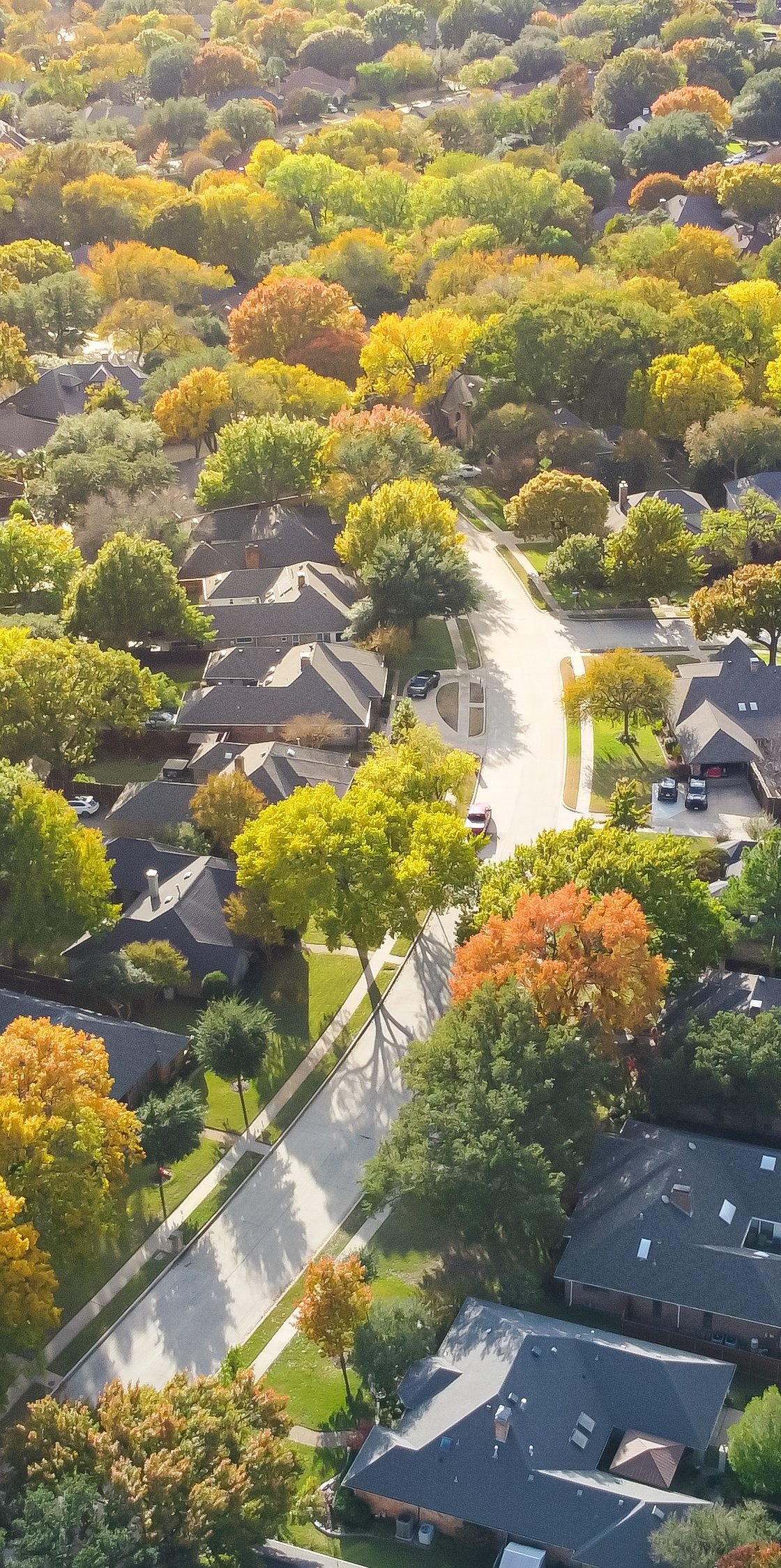
Compared with outer suburbs, GCISD has limited raw land. That shapes the inventory you see on the market.
- New construction tends to be infill or small enclave communities rather than large subdivisions.
- Builders often target higher price points due to land and construction costs, which raises the average list price for new homes in the area.
- Renovations and replacement builds are common, with older homes updated or rebuilt to meet today’s space and design preferences.
When DFW in-migration is strong, these supply constraints magnify competition for well-located listings.
Prices and affordability considerations
School district demand often acts as a price multiplier for comparable homes. Properties inside sought-after attendance zones can trade at premiums relative to similar homes outside the lines. In GCISD, where household incomes and property values tend to exceed broader metro medians, affordability pressure is most acute for first-time buyers and move-up households.
Short-term affordability is influenced by mortgage rates and available inventory. Over longer periods, steady relocation flows and district investments in facilities and programs can support price resilience.
Grapevine vs Colleyville at a glance
While both cities share GCISD, their housing stock and feel differ.
- Grapevine: A mix of historic neighborhoods near Main Street, mid-market single-family homes, lakeside options, and newer pockets. Tourism and retail add energy, and proximity to the airport is a frequent draw.
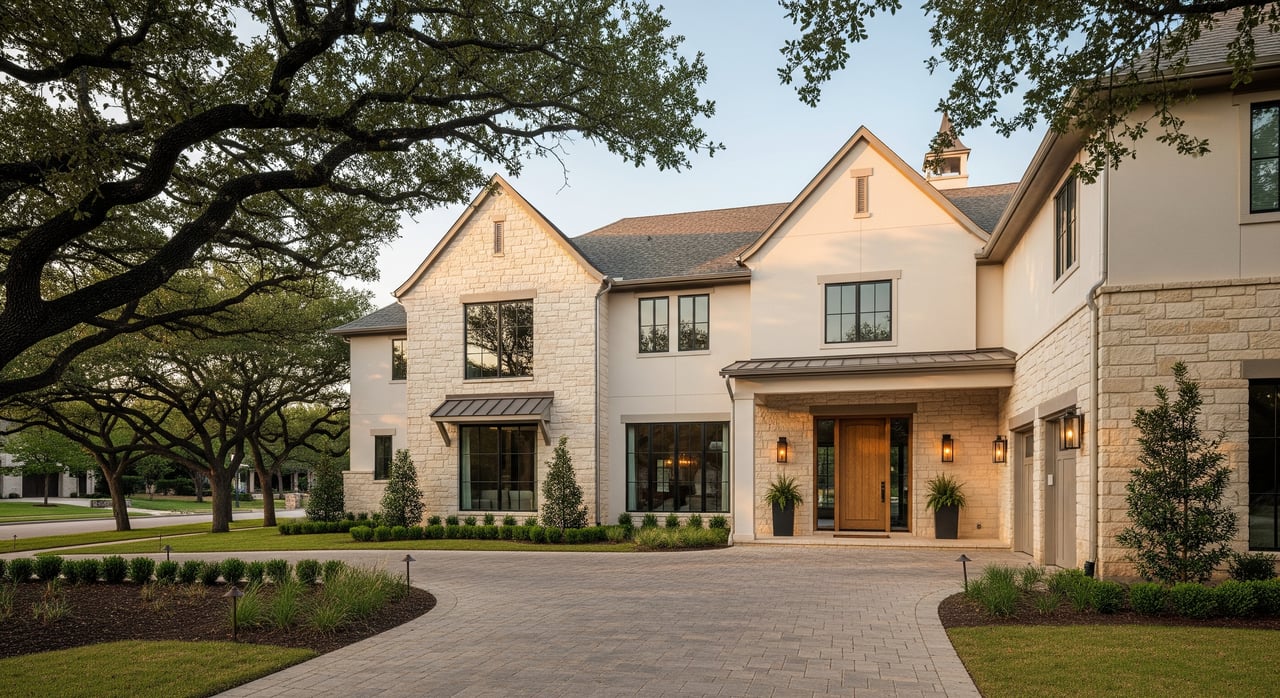
- Colleyville: Lower density patterns with larger lots in many areas and higher median home values. You will find more luxury and custom builds alongside established neighborhoods and parks.
Your lifestyle preferences and budget will help determine which side of the district is the better fit.
Commutes and airport convenience
GCISD’s location near DFW Airport and major highways, including SH 121 and SH 114, is a defining advantage for many buyers. Frequent travelers value short trips to terminals. Commuters to Dallas, Fort Worth, or the larger airport employment zone can choose among multiple corridors, which helps mitigate congestion risks.
If you work hybrid or remote, you may prefer a quieter neighborhood with extra space, then plan fewer weekly trips to an office. If you travel often, you might prioritize quick access to the airport and key arterials.
Property taxes and carrying costs
Texas relies on property taxes to fund local services, and school district taxes make up a large share of your bill. In GCISD, your total annual costs will combine school, city, county, and any special districts, plus insurance. It is important to:
- Review current tax rates from the county appraisal district and GCISD tax office before you make an offer.
- Compare insurance quotes, since wind and hail risk can affect premiums in North Texas.
- Factor HOA dues and utilities into your monthly budget, especially for larger homes.
Where you see new builds and renovations
Because land is limited, most new construction in GCISD is infill or on the district’s edges. Expect:
- Small, higher-end communities and custom homes in Colleyville.
- Targeted infill and mixed-age neighborhoods in Grapevine, including renovations and strategic teardowns.
- Design-forward upgrades to older homes that add bedrooms, open living areas, and office flexibility.
If you are building or buying new, plan for longer timelines and more detailed due diligence on permitting, utilities, and architectural controls.
Enrollment, boundaries, and your search
District enrollment and program changes can influence housing choices. When enrollments rise or needs shift, districts may adjust attendance boundaries or propose new facilities. Always confirm:
- The current attendance zone for a specific property with the district office.
- Any transfer policies and program availability that may affect your plans.
- The status of facilities planning or bond projects that could change school capacity over time.
What this means for buyers
Relocating families and local move-up buyers can succeed in GCISD by planning ahead and staying flexible.
- Confirm school zones early. Boundaries can change, so verify before you tour.
- Get pre-approved and watch days on market. Desirable listings may move quickly, so be ready to act.
- Consider tradeoffs. A slightly longer commute may unlock more space or a newer home within your target zone.
- Price for total cost of ownership. Include taxes, insurance, HOA dues, and potential updates.
- Tour for layout flexibility. A bedroom that doubles as an office or learning space adds long-term value.
Our team also supports virtual showings and remote offers for transferees on tight timelines.
What this means for sellers
If you are selling in GCISD, align your timing and presentation to the buyers most active in your area.
- Highlight district zoning and nearby amenities in your marketing materials, using neutral, factual language.
- Stage for family functionality. Show how rooms flex for work and guests, and showcase outdoor spaces.
- Watch seasonality. Spring and early summer often bring families planning to move between school years, though interest rates and inventory can shift the best window.
- Price with precision. Built-out neighborhoods can vary block by block. A tailored comp set matters.
Concierge-level prep, photography, and targeted digital marketing can elevate your result in a competitive segment.
Insights for investors and builders
Limited lot supply and sustained demand can make GCISD attractive for selective projects.
- Infill and replacement builds often command higher per-square-foot pricing, reflecting land and construction costs.
- Family-oriented rentals see interest from corporate transferees, though owner-occupants typically dominate school-driven segments.
- Short-term rental rules vary by city. Confirm Grapevine and Colleyville ordinances before underwriting.
Outlook for the next 12 to 24 months
DFW’s steady job base and in-migration should continue to support GCISD housing demand. Short-term activity will track mortgage rates and seasonal patterns, while long-term value will depend on supply constraints, district investments, and the mix of new construction and renovations.
For buyers, patience plus readiness is a winning combination. For sellers, thoughtful preparation and market-aware pricing remain key. If you are relocating, a neighborhood-first strategy can help you align school preferences, commute goals, and lifestyle.
Ready to map your next move in GCISD? The neighborhood mix is rich, the market is nuanced, and small choices make a big difference in both search and sale. If you want a clear plan and a confident result, we are here to guide you.
Texas Collective Group can help you compare neighborhoods, tour virtually, and price or present your home with care. Let’s start a conversation and tailor a strategy to your goals.
FAQs
How DFW relocation affects GCISD prices
- In-migration and job growth boost buyer demand, and limited land in GCISD concentrates competition, which can support stronger prices compared with outer suburbs.
GCISD school zones and home values
- Properties inside specific attendance zones often command premiums for comparable homes, with the size of the premium varying by neighborhood and market cycle.
Airport proximity and neighborhood choice in GCISD
- Close access to DFW Airport is a convenience for many buyers, but aircraft noise can affect some areas. Review noise maps and disclosures during due diligence.
Remote work and demand for GCISD housing
- Hybrid and remote work broaden the buyer pool by allowing families to prioritize space and district programs, which supports demand across GCISD neighborhoods.
Property taxes in Grapevine and Colleyville
- Texas property taxes are a significant carrying cost. Review current GCISD, city, and county rates, plus insurance, before setting your budget.
New construction and remodels in GCISD
- Expect more infill and higher-end replacement builds than large new subdivisions. Plan for careful due diligence on lots, permits, and neighborhood architectural controls.