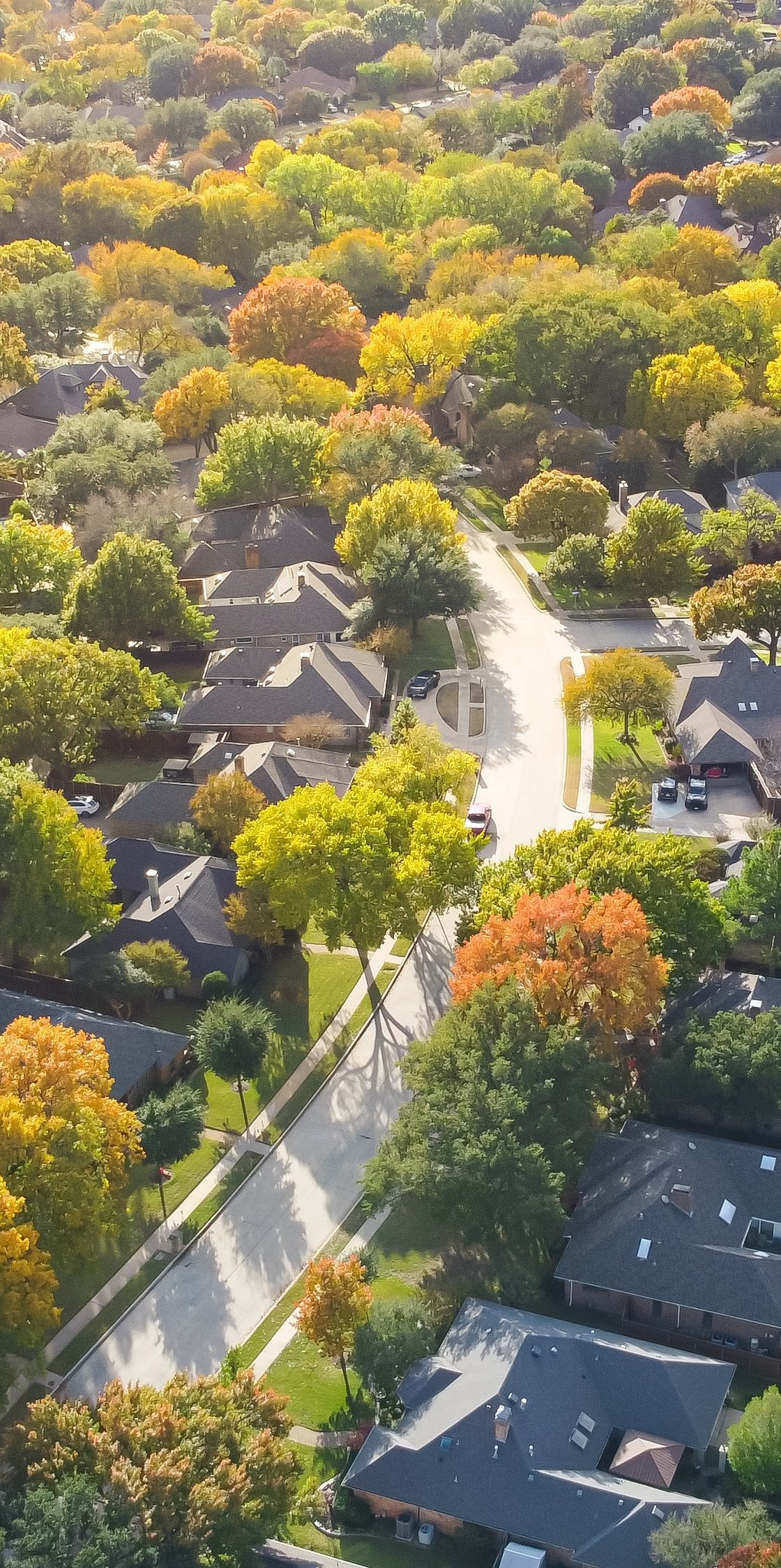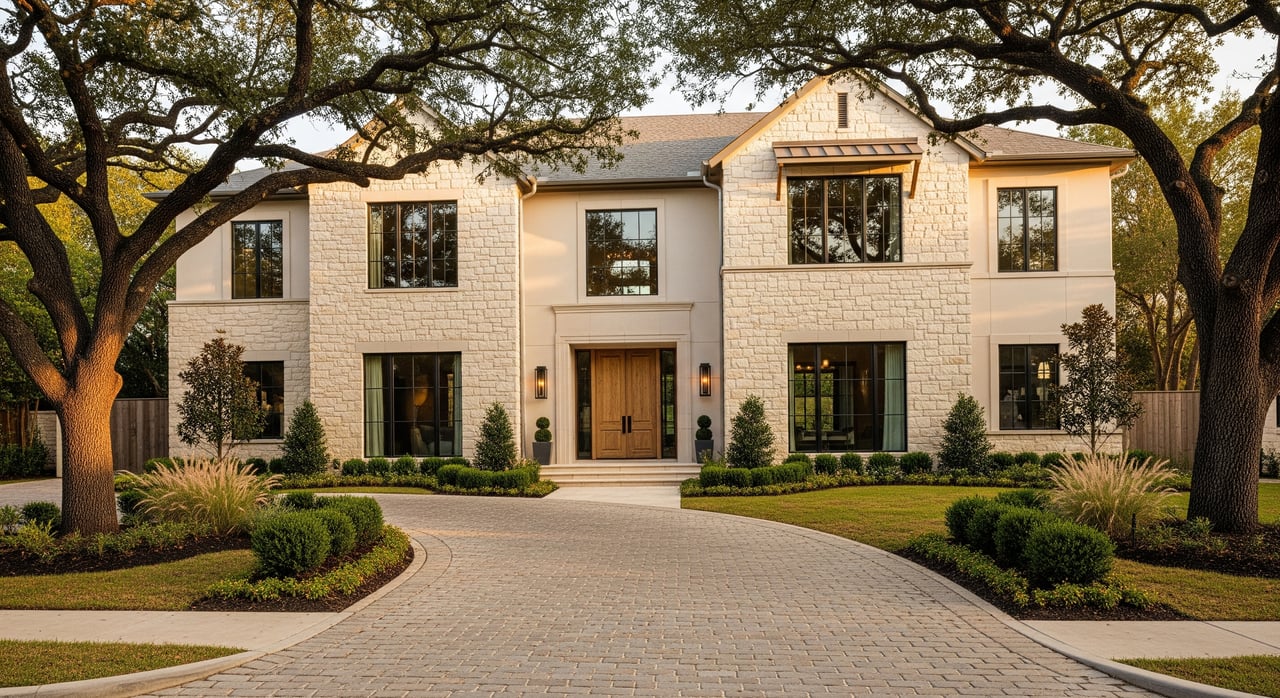
Building a custom home in University Park is exciting. You get the design you want in a neighborhood you love, with access to Highland Park ISD. The key is to set your financing strategy early. The right plan will shape your lot search, design choices, builder selection, and your timeline from demo to move‑in.
Custom build financing: why plan first
Custom builds in the Park Cities move fast and involve many moving parts. Lots are scarce, values are high, and most projects sit above the conforming loan limit. In practice, that means jumbo financing and construction lending are common, and lenders will want clear plans, a qualified builder, and a realistic budget. The 2025 baseline conforming limit for one‑unit loans is $806,500 in Dallas County, so many University Park projects will require non‑conforming financing and stricter underwriting standards per FHFA.
HPISD’s strong reputation supports long‑term demand, and property taxes are a meaningful carry cost you should plan for each year per HPISD. A clear financing path helps you balance these realities with your goals for design, size, and location.
Build budget and timeline essentials
Define total project costs
Think in layers so nothing gets missed:
- Land or teardown purchase price and closing costs
- Hard costs to build: labor, materials, site work
- Soft costs: architecture, engineering, surveys, soils, permits, plan review, and utility connections
- Lender and title costs: origination, appraisal on plans, draw inspections, title updates
- Insurance during construction and after completion
- Contingency for surprises and change orders
- Post‑completion items: landscaping, window coverings, punch list
Set a realistic build timeline
Map the sequence before you offer on a lot:
- Pre‑approval and lender selection
- Architect selection, schematic design, and budget alignment
- Builder selection and fixed‑price or GMP contract
- Permit submittal and plan review
- Construction start, draw inspections, and milestone approvals
- Closeout, final inspections, and conversion to permanent financing
Plan cash flow by phase
Most projects require cash at key points: earnest money for the lot, design retainers, pre‑permit fees, the down payment at construction loan closing, and possible out‑of‑pocket items during final finishes. Your lender can also set up interest reserves so you are not making large monthly payments while you build overview from CFPB.
Align budget with design choices
Your appraised value is based on plans and specs, not dreams on a Pinterest board. Share finish levels and allowances early so your architect and builder price the scope that your lender can support. Appraisals on new construction are typically completed “subject to completion per plans and specs,” so accurate documents help the valuation reflect your actual design see Fannie Mae guidance.
Loan structures for custom builds
Construction‑to‑permanent loans
A single loan funds the build, then converts to your mortgage at completion. You close once, with interest‑only payments during construction. Advantages include one set of closing costs and fewer re‑approvals. Details vary by lender, such as how and when you can lock the rate and what is required to convert CFPB overview.
Some lenders also offer FHA or VA one‑time close options for eligible borrowers. Availability and builder requirements are program specific and vary by lender FHA context and VA builder requirements.
Lot loans plus construction loans
If you find the perfect lot before you finalize plans, you can acquire the lot first, then close on a construction loan later. Lot loans often require higher down payments and carry higher rates than traditional mortgages. Some lenders let you roll the lot into a construction‑to‑perm once plans are set see land loan basics.
Renovation or addition financing
If the structure is worth keeping, a major addition or whole‑house renovation can be financed with a construction or renovation loan. The lender still underwrites plans, builder credentials, budget, and the appraised “as‑completed” value CFPB overview.
Jumbo and portfolio lending nuances
Given Park Cities price points, many permanent loans will be jumbo. Expect higher credit standards, possible reserve requirements, and tighter debt‑to‑income targets compared with conforming loans jumbo basics. Local and regional lenders that know the submarket often handle custom builds and builder approvals more smoothly.
Bridge, HELOC, and liquidity strategies
You may need funds for the lot or to carry your current home during the build. Options can include a bridge loan, a HELOC on your existing home, or staged liquidity. Your lender will help you structure the path so contingencies and timing do not derail the build TRID context for construction disclosures.
How construction loans work
Draw schedules and inspections
Construction funds are disbursed in draws as milestones are completed. Each draw usually requires an inspection and title update before the lender releases funds. A clear draw schedule keeps cash flowing to the builder and reduces delays CFPB explanation.
Interest‑only during the build
Your payment during construction is typically interest‑only on the amount disbursed. Some borrowers finance an interest reserve inside the loan so they do not make monthly payments while work is underway CFPB overview.
Appraisals from plans and specs
Appraisers value the home based on your drawings, specifications, and comparable sales for similarly finished homes. Provide full plans, a spec book, and a line‑item budget so the appraiser can support the as‑completed value Fannie Mae guidance.
Rate locks and conversion
Ask when you can lock your permanent rate and what is required to convert from construction to permanent. Some lenders offer long‑term locks with float‑down options, while others lock near completion. Clarify documentation, inspections, and any re‑verification needed to convert CFPB overview.
Final closeout and lien releases
At completion, your builder provides final lien waivers and closeout documents. The lender confirms the home is complete per plans, final inspections are passed, and insurance is in place. Then the loan converts or you refinance into the permanent mortgage Fannie Mae completion requirements.
Assemble your expert team early
Choose a local, experienced lender
Select a lender with a recent track record funding custom builds in the Park Cities. Ask about builder approval, draw inspections, interest reserves, and one‑time close options. Many construction loans are handled best by lenders who know local permitting and appraisal nuances CFPB primer.
Architect–builder–lender alignment
Have your architect and builder align on plans, allowances, and the schedule before the file goes to underwriting. A coordinated package reduces surprises in appraisal and keeps your draw process smooth.
Contract reviews and insurance
Clarify whether your contract is fixed‑price or cost‑plus, how allowances work, and what happens if materials or codes change. Lenders will expect builder’s risk or course‑of‑construction insurance in place with adequate limits and named insured language builder’s risk basics and a project contingency, often in the 5 to 10 percent range, to handle surprises AIA guidance.
Permitting and neighborhood compatibility
University Park requires plan submittal and reviews, including a mandatory pre‑submission assessment before plan review begins. Construction hours, inspections, and permit expirations can affect your schedule and draw timing. Your builder typically manages these steps, but timing still impacts your financing calendar City of University Park.
Winning a lot in University Park
On‑ and off‑market search strategies
Inventory is limited and competition is real. Agent networks, teardowns, and coming‑soon opportunities can make the difference. Have your pre‑approval ready and your architect on standby for quick feasibility checks.
Fast feasibility checks
Before you commit, verify setbacks, tree impacts, utility availability, and soils. Early clarity helps your architect design to budget and keeps permitting on track. Utility connection and meter fees add to soft costs, so include them in your planning University Park utilities.
Evaluate teardown vs. new site
Teardowns can offer better locations but add demo, site prep, and temporary utility costs. A vacant lot may be more straightforward but is rare. Build your budget and schedule around the site you pick and the likely permitting path permit fees reference.
Align lot choice with financing
Lot price, demo scope, and timeline influence your loan structure. If you must secure the lot first, consider a lot loan with a plan to refinance into construction financing. If your design is far along, a construction‑to‑perm can wrap land, build, contingency, and interest reserve into one structure CFPB and land loan basics.
Move forward with a clear plan
A successful Park Cities custom build starts with financing clarity, a realistic budget, and an aligned team. Lock those pieces first, then pursue the right lot and design with confidence. If you need introductions to lenders, architects, and builders who know University Park, we are here to help.
Plan your next step with the neighborhood experts at the Texas Collective Group. We will help you structure the financing path, scout lots, and coordinate the right team so your custom home comes together smoothly.
FAQs
How much down payment do I need for a construction loan?
- Many lenders expect around 20 percent of total project cost, and some require more. FHA or VA one‑time close can reduce cash needs for eligible borrowers. Confirm program rules and lender availability Bankrate overview and FHA.
What is the difference between construction‑only and construction‑to‑permanent?
- Construction‑only funds the build, then you refinance into a mortgage later. Construction‑to‑permanent is a single loan that converts at completion, often with one closing and interest‑only payments during the build CFPB.
Will my loan be jumbo?
- In University Park, many finished values exceed the conforming limit of $806,500 for 2025, so jumbo standards often apply. Expect higher credit and reserve requirements than conforming loans FHFA and jumbo basics.
How do draw schedules work during construction?
- Funds are released in stages as work is completed. Each draw typically requires an inspection and title update before the lender wires funds to the builder CFPB explanation.
What permits and local fees should I expect?
- University Park requires plan review and permits for new homes and charges building and utility fees. Your builder manages submittals, but these fees are part of soft costs and affect your financing calendar permits and fee schedule.
How are appraisals handled for a custom build?
- Appraisals are based on plans and specifications with comparable finished homes. The report is usually “subject to completion” and is verified at the end of construction Fannie Mae.
What insurance do I need during the build?
- Lenders typically require builder’s risk insurance that covers the structure and materials during construction. Confirm who purchases the policy and required limits early builder’s risk basics.
How do property taxes factor into my budget?
- Expect Dallas County, city, county hospital, and HPISD taxes after completion. File any eligible exemptions and plan for prorations and escrows in your carry costs Dallas County context and HPISD.
What if I want to keep my current home during the build?
- Consider a bridge loan, HELOC, or staged liquidity to cover the lot and carry costs. Your lender can coordinate timing and documentation so your build stays on track CFPB TRID context.