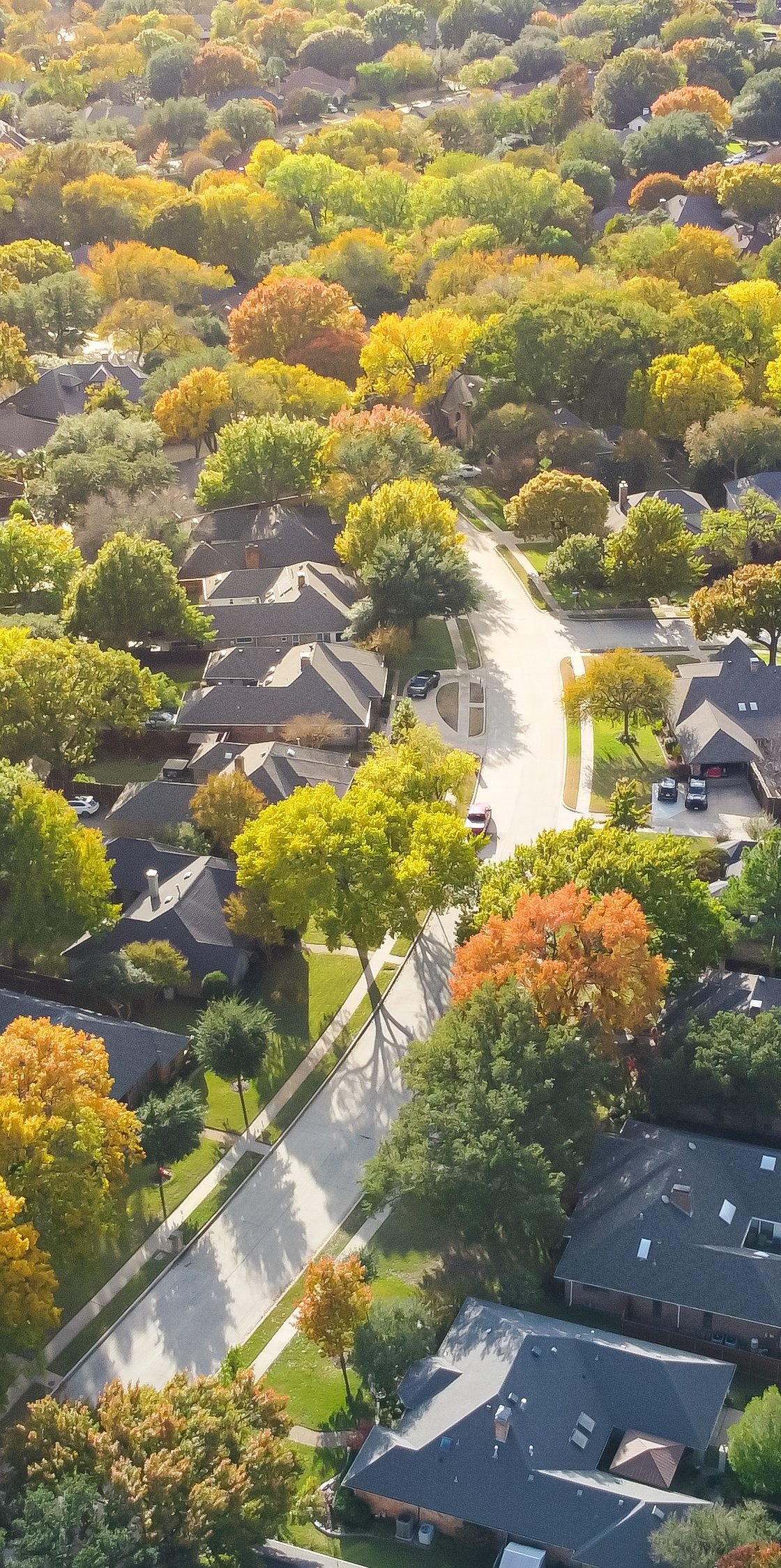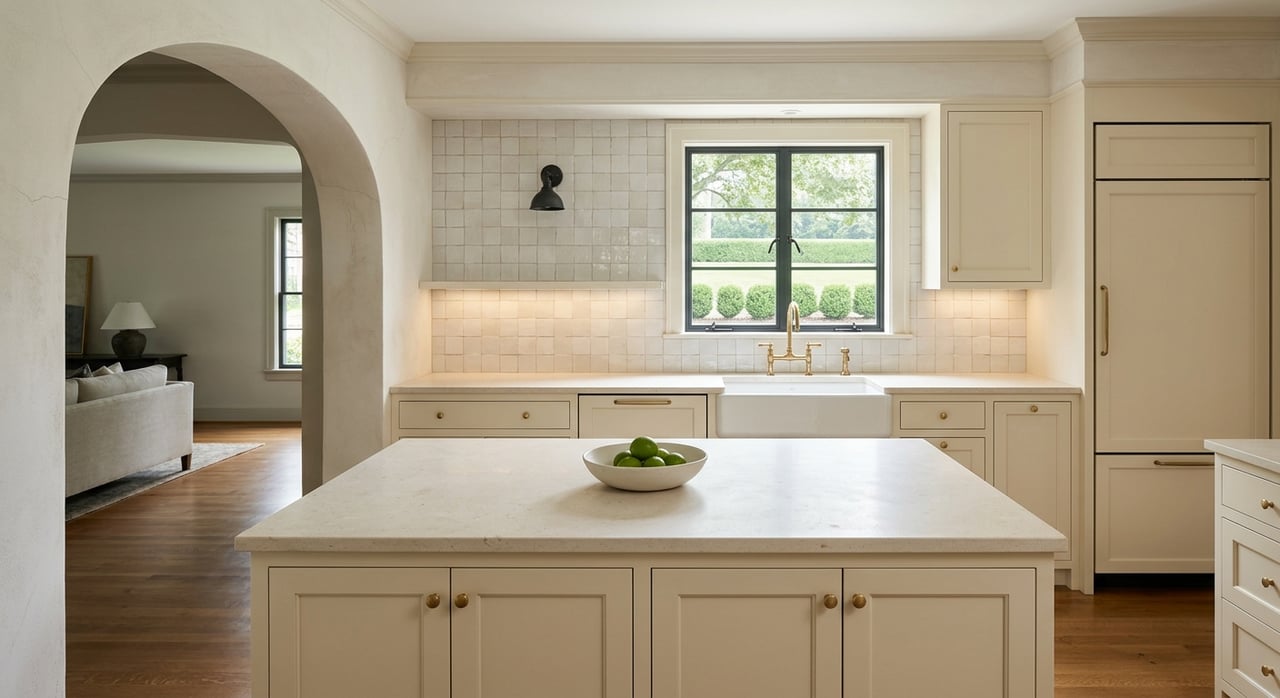
Thinking about updating a home in Kessler Park without losing what makes it special? That balance matters here. In one of Dallas’s most architecturally distinctive historic areas, the best renovations improve daily living while still respecting the rooflines, materials, windows, and proportions that give the neighborhood its character. If you want your home to feel more functional and still belong on its block, this guide will help you think through design choices that fit Kessler Park. Let’s dive in.
Why Kessler Park calls for restraint
Kessler Park is part of City of Dallas Conservation District No. 13, created to help conserve the neighborhood and protect its significant architectural and cultural features. The Texas Historical Commission also identifies the Kessler Park Historic District as architecturally significant in Dallas County.
That matters because Kessler Park is not a one-style neighborhood. The district includes Tudor Revival, Mission and Spanish Revival, and Bungalow and Craftsman homes, with periods of significance spanning the early to mid-20th century. In practical terms, thoughtful updates usually work best when they preserve the home’s visible form and material character rather than trying to make it look brand new.
Start with the street view
If you are planning changes, the most important question is often simple: Will the house still read as the same historic home from the street? In Kessler Park, that is usually the right place to begin.
Dallas conservation guidance places strong emphasis on exterior elements like windows, doors, roof style, roof materials, porches, walls, landscaping, driveways, and accessory structures. That means highly visible changes tend to carry more weight than updates tucked behind the front façade.
For many homeowners, this is actually good news. You can often improve kitchens, baths, storage, and everyday flow without making the front of the house feel out of place.
Design principles that usually fit Kessler Park
Across Dallas preservation guidance, a few themes come up again and again. If you keep these principles in mind, your project is more likely to feel compatible with the district.
Keep additions secondary
The city’s design guidance consistently favors additions that are smaller than the original house and placed to the rear or side when possible. That helps the original structure remain the visual focus.
In a neighborhood like Kessler Park, this approach protects the rhythm of the street. A rear addition may give you the extra square footage you want, while the historic front elevation still does the architectural heavy lifting.
Preserve roof shape and massing
Rooflines do a lot of work in historic neighborhoods. Steep front gables, low-pitched forms, dormers, and broad porch roofs all help define a home’s style.
When an addition ignores those relationships, the change can feel obvious even if the materials are similar. Matching or complementing the original roof pitch and overall massing usually creates a more natural result.
Respect window and door patterns
Window openings, proportions, and spacing are a major part of historic character. Dallas’s conservation review materials specifically call for detailed product information for window replacements, including dimensions, lite divisions, muntin profile, material, and window type.
That level of review tells you something important. In Kessler Park, windows are not a minor detail. They are part of the home’s architectural identity.
Use compatible materials
Compatible does not always mean identical, but it should feel related. Brick, stucco, wood cladding, trim profiles, roofing, and other visible materials should support the original house rather than compete with it.
In many cases, a quieter material palette helps the architecture stand out. If every new finish demands attention, the home can start to lose the calm confidence that older houses often do so well.
Style-specific update ideas
Because Kessler Park includes several architectural styles, the right design move depends on the house you own. A good renovation starts with the specific language of that home, not a one-size-fits-all trend.
Tudor Revival updates
Dallas identifies Tudor Revival homes by features like asymmetrical massing, steeply pitched roofs, prominent chimneys, masonry or stucco walls, tall narrow windows, decorative half-timbering, and board-and-batten doors.
If you own a Tudor, focus on protecting the asymmetry and roof drama that make the home feel grounded and authentic. Rear or side additions tend to be the safest fit, especially when they carry through similar materials and respect original window and door patterns.
Interior upgrades can be more flexible. A refreshed kitchen or bath can feel current without turning the exterior into something sharper, flatter, or more uniform than the original design intended.
Bungalow and Craftsman updates
Dallas’s Bungalow guidance highlights full-width front porches, tapered wood columns or brick pedestals, multi-light double-hung windows, and masonry or wood cladding. These homes often depend on porch presence and human-scaled details.
That means front porch changes deserve extra care. Additions should generally go to the rear or into smaller side wings, and they should never be larger or wider than the main residence.
If you want to modernize a Craftsman interior, consider letting built-ins, trim, tile, and hardware do the work quietly. The goal is comfort and function, not visual noise.
Colonial Revival and Foursquare updates
Dallas says Colonial Revival homes emphasize symmetry, multi-pane windows, classical columns or porticos, boxed eaves, and a central or prominent entry. The city also notes that original wood windows should be retained and maintained, that vinyl windows should not be used on an original Colonial Revival house, and that side porches or sunrooms are character-defining features that should not be removed or enclosed.
For American Foursquare homes, windows and porches are also among the most important features to maintain. Additions should remain secondary, compatible with the original massing and scale, and be placed to the rear when possible.
If your home falls into one of these categories, resist the urge to simplify away the details that create balance. In these styles, order and proportion are part of the charm.
Smart interior updates that do not fight the house
Some of the highest-value updates in Kessler Park happen inside the home, where you can improve livability without changing the street-facing envelope. This often gives you the best mix of daily comfort and architectural integrity.
Here are a few updates that often make sense:
- Modernize kitchens without changing front-facing walls or window openings
- Refresh baths with period-friendly tile, hardware, and lighting
- Improve storage with built-ins that feel consistent with the home’s age
- Rework back-of-house space for laundry, mudroom, or pantry function
- Open living areas selectively, while preserving defining architectural features
The common thread is simple. Let the original house stay recognizable, and make your upgrades feel supportive rather than dominant.
What sellers should know before renovating
If you are preparing to sell in Kessler Park, authenticity matters. Buyers drawn to this part of Dallas are often paying attention to character, not just square footage.
That does not mean you need a museum-quality restoration. It does mean exterior changes that preserve visible integrity are more likely to support the home’s appeal than renovations that erase style-specific details.
In many cases, the strongest pre-sale updates are the ones that help the home present beautifully while keeping its architectural identity intact. Thoughtful paint choices, repaired windows, appropriate roofing, clean landscaping, and polished interiors can go further than flashy exterior redesigns.
Know the Dallas review process
Before starting exterior work, homeowners in conservation districts should expect a city review process. Dallas states that conservation district compliance is required whether or not a building permit is needed.
Property owners are instructed to submit a Conservation District Work Review Form with plans, photos, and specifications before permit review. The city also recommends consultation before additions, exterior remodels, and new structures, and notes that major remodels and new construction can take up to 30 days for review.
For window replacements and similar exterior work, the city may ask for detailed supporting materials. Depending on the project, that can include elevations, site plans, surveys, photographs, product information, and exact window specifications.
A simple checklist before you design
Before you hire out plans or choose finishes, ask yourself:
- What architectural style is my home actually expressing?
- Which features are most visible from the street?
- Can new square footage move to the rear instead of the front?
- Will the roofline, windows, and materials still feel consistent?
- Am I preserving porch, chimney, and entry details that define the house?
- Do I need to prepare review documents before moving ahead?
These questions can save you time, money, and frustration. They can also help you create an update that feels both livable and lasting.
Good design protects long-term value
In a neighborhood like Kessler Park, thoughtful design is not just about looks. It is also about stewardship.
When you update a historic home with restraint, you protect the qualities that make the neighborhood feel established and distinctive. That can support buyer confidence, strengthen presentation when it is time to sell, and help your home stand out for the right reasons.
If you are buying, renovating, or preparing to list in Kessler Park, a neighborhood-first strategy matters. The right plan should support how you live now while honoring why this part of Dallas feels so special. When you are ready for thoughtful guidance on positioning, presentation, and next steps, connect with Texas Collective Group.
FAQs
What kinds of homes are common in Kessler Park?
- Kessler Park includes a mix of early- to mid-20th-century styles, including Tudor Revival, Mission and Spanish Revival, and Bungalow and Craftsman homes, according to the City of Dallas and the Texas Historical Commission.
What exterior features matter most in Kessler Park renovations?
- Dallas conservation guidance places strong emphasis on materials, windows, doors, roof style and materials, porches, fences and walls, landscaping, driveways and parking, accessory structures, and demolition.
Where should additions go on a Kessler Park home?
- Dallas style guides generally say additions should be secondary to the original house and placed to the rear or side when possible.
What should Dallas homeowners know before replacing windows in Kessler Park?
- For window replacements, Dallas may require dimensions, lite divisions, muntin profile, material, and window type as part of the conservation district review materials.
Do Kessler Park exterior projects need city review?
- Yes. Dallas says conservation district compliance is required whether or not a building permit is needed, and owners should submit a Conservation District Work Review Form before permit review.
What renovation approach usually adds the most value in Kessler Park?
- Based on Dallas conservation guidance, updates that improve interior function while preserving the home’s visible massing, roof shape, window patterns, and material character are often the most compatible approach.