Trying to choose between living in University Park for Highland Park ISD or buying in a Frisco ISD neighborhood? You are not alone. Families often compare these two for schools, daily routine, and long-term value. In this guide, you will get a clear, side-by-side look at schools, housing, walkability, commutes, and resale so you can move forward with confidence. Let’s dive in.
Quick take: University Park vs. Frisco ISD
- Schools and scale: University Park is served by Highland Park ISD, a small district of about 6,350 students across eight campuses. Frisco ISD is much larger at roughly 65,000 students and dozens of schools, which creates more program breadth and multiple feeder patterns. Sources: HPISD, NCES HPISD, NCES Frisco ISD.
- Housing and cost: University Park typically carries a higher location premium and per-square-foot pricing. Citywide Frisco pricing is more varied with a broader range of neighborhoods and more new-build options.
- Walkability: University Park has walkable pockets near Highland Park Village, Snider Plaza, and SMU. Frisco is mostly car-dependent, with walkable nodes around The Star, Frisco Square, and the Stonebriar corridor.
- Commute: Census data shows a shorter mean travel time to work in University Park, near 17 to 18 minutes, which reflects its central location. Frisco averages are longer and depend on Dallas North Tollway and other major routes. Source: Census QuickFacts for University Park.
Schools: what shapes your day
Size and structure
If you prefer a smaller district feel and stable feeder patterns, Highland Park ISD may be a match. The district serves about 6,350 students across eight campuses, which keeps campus sizes and communities relatively tight. That smaller scale can make day-to-day logistics feel simple for some families. Source: NCES HPISD.
If you value choice and specialized offerings, Frisco ISD’s large scale can be a plus. With about 65,000 students and many campuses, families can access a wide range of electives, extracurriculars, and program centers. The tradeoff is that large districts see more frequent rezoning and multiple feeder patterns. Source: NCES Frisco ISD.
Student-teacher ratios are similar across both districts by NCES measures, with HPISD around the low to mid-teens and Frisco ISD close behind. The difference you will notice most is not the ratio itself but the absolute size of campuses and the number of peers in each grade.
Academic focus and outcomes
Highland Park ISD highlights college-prep traditions, strong Advanced Placement participation, and high college-going rates. Highland Park High School posts strong college-readiness indicators, including SAT averages near 1300 in recent reporting. For direct campus details, review public reporting at the Texas Tribune’s Highland Park High School page.
Frisco ISD emphasizes a wide range of Advanced Placement and dual credit courses across many high schools, along with extensive career and technical education options. Districts of this size often show variation at the campus level, so it is smart to compare specific schools tied to a given address. For program breadth, see the district’s High School Academic Guide.
Programs and facilities to note
- HPISD: College-prep culture, strong fine arts and athletics, cohesive feeder patterns. See HPISD for district context.
- Frisco ISD: Extensive CTE pathways, AP and dual credit across many campuses, and district-level facilities that support large-scale programming. Explore offerings in the Frisco ISD academic guide.
Boundaries and how to verify
- HPISD boundaries are stable and compact within the Park Cities. Always confirm the specific attendance zone with the district.
- Frisco ISD adds new campuses and occasionally realigns zones to manage growth. Verify the current attendance zone for any address on the Frisco ISD site.
Housing and lifestyle: budget, space, and style
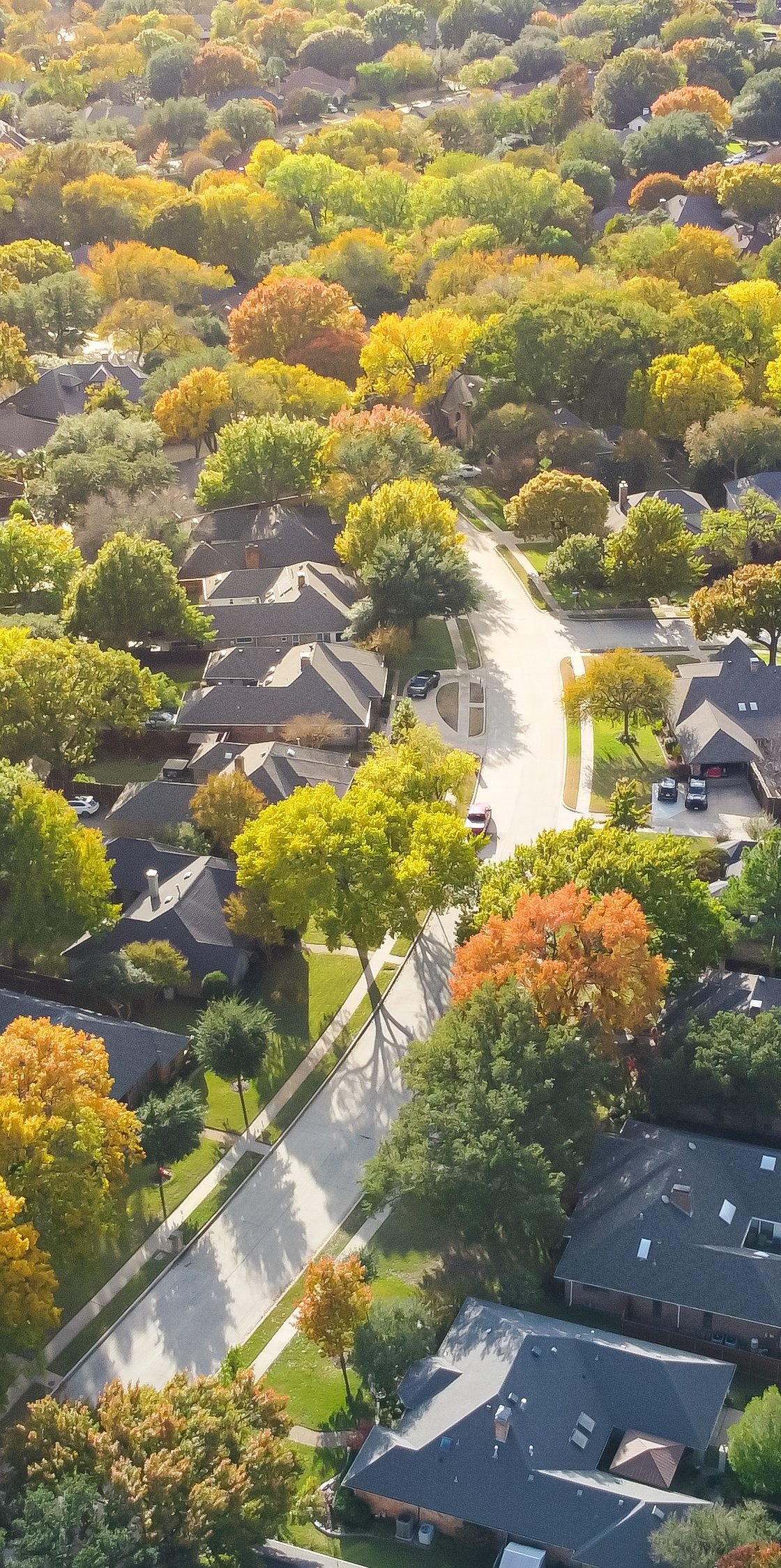
In University Park, buyers often prioritize an established neighborhood character, tree-lined streets, and proximity to SMU and central Dallas. Many homes are renovated originals or high-end infill on smaller lots. The price point reflects that location premium, along with demand for HPISD access and limited inventory.
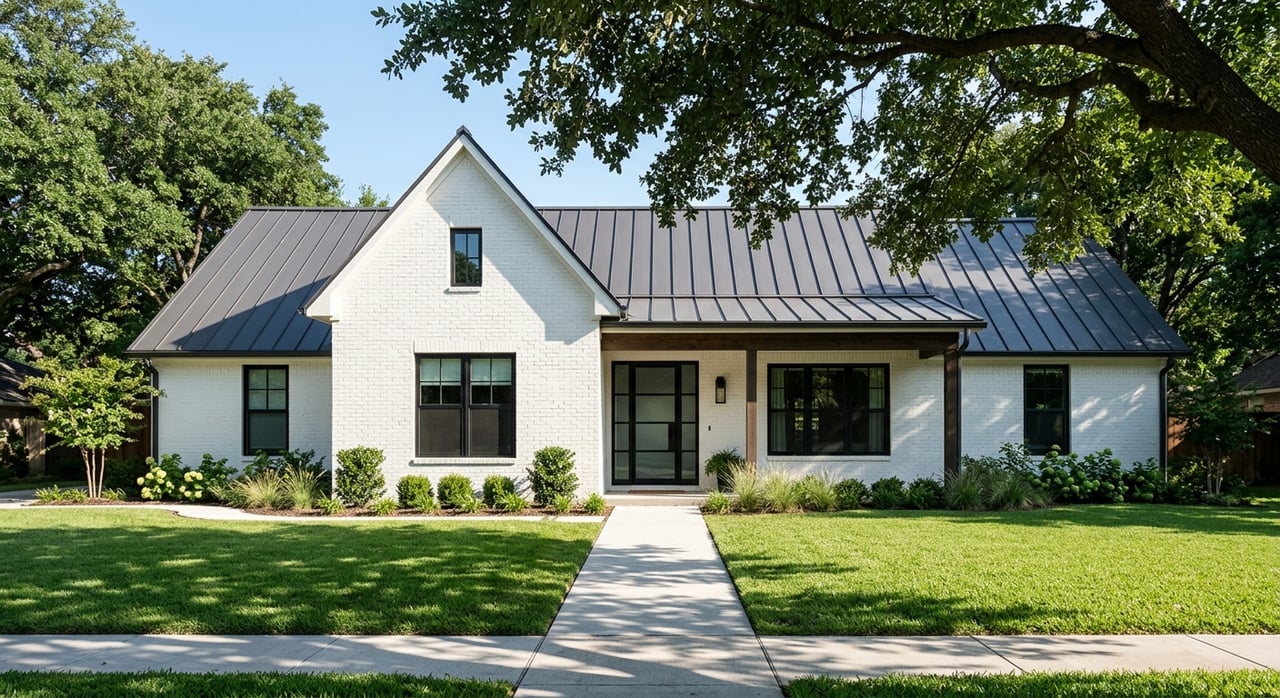
In Frisco, you will find more variety. There are established neighborhoods and gated enclaves, but also many master-planned communities with pools, trail systems, and on-site parks. New construction is common, which can deliver modern floor plans, larger secondary bedrooms, and bonus spaces at a more approachable price per square foot.
Here is a practical way to think about it:
- Budget: University Park typically requires a multi-million-dollar budget for single-family homes, while Frisco offers a broad range, from mid-tier homes to luxury properties.
- Space: You often gain square footage, yard size, and garage capacity in Frisco. In University Park, you trade space for location and school access.
- Character vs. new build: University Park leans historic and architecturally rich. Frisco offers many newer homes and master-planned amenities.
- Carrying costs: Total taxes vary by city, county, and school district. Some newer Frisco areas include MUD or PID assessments. Always request a parcel-level estimate from the county appraisal district to compare apples to apples.
Walkability, amenities, and transit
Walkability and daily errands
If you value walkability, parts of University Park stand out. Around the SMU corridor and nearby retail nodes, several streets score as very walkable for errands and dining. You can test any address with Walk Score near SMU to see how the immediate block performs.
Frisco’s overall pattern is car-dependent, but it does offer clustered destinations. The Star, Frisco Square, and the Stonebriar area create lively, walkable pockets for games, dining, and events. The presence of Toyota Stadium and the National Soccer Hall of Fame adds another activity anchor in the urban core of Frisco. For context on these anchors, see this overview from Visit Frisco.
Transit access and upcoming projects
University Park sits closer to DART light rail, with the SMU/Mockingbird station connecting riders into downtown Dallas and beyond. That proximity expands your options if you want to skip the car for select trips.
Frisco remains car-first for most daily routines. The DART Silver Line, a regional rail project now in late-stage testing, will improve connectivity along the northern corridor once operational. Timelines and final station service are subject to testing and approvals, so treat it as a future improvement rather than a near-term solution for daily errands. For project status, see this testing update on the Silver Line vehicles.
Commute realities to plan around
Census QuickFacts shows University Park with a mean commute near 17 to 18 minutes, which fits its central location and short hops to US-75 and surface streets into downtown. Source: Census QuickFacts for University Park.
In Frisco, many commuters rely on Dallas North Tollway for southbound trips, Preston Road and Legacy for east-west moves, and US-380 in northern areas. Average travel times are longer, and peak-hour congestion can shape your schedule. If you split school drop-off and work drives, map that loop during actual rush-hour windows before you choose a neighborhood.
Resale and long-term value signals
Both locations enjoy strong demand, but they behave differently. University Park often sees lower monthly transaction counts due to limited inventory and strong demand in specific micro-locations. Frisco has higher overall volume and wide price segmentation, so days on market can vary by neighborhood and product type.
What tends to drive value over time:
- University Park: HPISD access, proximity to SMU and downtown Dallas, and constrained supply.
- Frisco: Job and amenity growth, new employers, ongoing development, and steady population inflows, with appreciation concentrated in certain communities.
Before you write an offer, run a micro-level check:
- Verify the school attendance zone for the exact address on the Frisco ISD site or HPISD site as applicable.
- Pull 12-month comps in the same subdivision and product type.
- Confirm parcel-level taxes, HOA dues, and any MUD or PID.
- Review days on market and absorption rate for the immediate area.
- Check for planned public projects near the street, including road work or future rail.
How to decide: a simple framework
Use this quick framework to align your choice with your lifestyle and budget:
- Budget range and must-haves: Clarify your all-in price, monthly comfort zone, and non-negotiables like office count or yard size.
- School experience: Decide between a small-district feel with cohesive feeders or a large district with broad programs. Review HPISD’s overview at HPISD, and program menus in the Frisco ISD academic guide. Campus-level checks are essential.
- Commute and daily loop: Map school drop-offs, work routes, and evening activities in both areas. Use Census QuickFacts for baseline context, then test the drive at your peak times.
- Walkability vs. space: Decide whether you prefer a walkable, central neighborhood or more square footage and amenities with a car-first routine. Test addresses with Walk Score near SMU and visit Frisco hubs like The Star and Frisco Square.
- Resale lens: Look at micro-market stats and planned projects. Aim for strong neighborhood demand, appealing floor plans, and well-kept streetscapes.
When you are ready to compare addresses, neighborhoods, or school zones line by line, our team can coordinate tours, verify zoning and program details, and prepare side-by-side comps so you can choose with clarity.
Ready to explore both areas and see what fits you best? Reach out to the Texas Collective Group for a tailored plan that balances schools, commute, and budget, backed by concierge-level guidance.
FAQs
Is Highland Park ISD the same as University Park ISD?
- No. University Park is served by Highland Park ISD, a separate public school district. See the district overview at HPISD.
How big are the districts, and why does it matter?
- HPISD is small, about 6,350 students, while Frisco ISD is around 65,000 students. Scale influences feeder patterns, program breadth, and campus sizes. Sources: NCES HPISD, NCES Frisco ISD.
Are academic programs different between HPISD and Frisco ISD?
- HPISD emphasizes college-prep traditions and strong AP participation. Frisco ISD offers broad AP, dual credit, and extensive CTE pathways. Review HPISD highlights at HPISD and Frisco’s High School Academic Guide.
What about commute times if I work in central Dallas?
- University Park’s mean commute is around 17 to 18 minutes per Census QuickFacts, reflecting its central location. Frisco commutes are typically longer and more Tollway dependent. Source: Census QuickFacts for University Park.
Will the DART Silver Line make Frisco more transit-friendly?
- The Silver Line is in late-stage testing and will improve regional connectivity when open, but most Frisco neighborhoods will still be car-first. See the testing update on Silver Line vehicles.
How do home prices compare between University Park and Frisco?
- University Park homes generally trade at much higher price points due to location, HPISD access, and limited supply. Frisco spans a wider range, including many newer homes and master-planned options at lower price per square foot.
How do I verify a home’s assigned school in Frisco ISD?
- Confirm the current attendance zone for the exact address on the Frisco ISD site, since growth can lead to periodic rezoning.