Imagine waking up to sunlit rooms, original hardwoods, and tree-canopy views that feel a world away from the city. If you have your eye on a historic home in Kessler Park, you are drawn to more than architecture. You want character, a sense of place, and a smart plan for renovations that respect the neighborhood. In this guide, you will learn how Kessler’s protections work, what inspections to prioritize, how to plan financing, and the steps that keep surprises to a minimum. Let’s dive in.
Why Kessler Park draws historic-home buyers
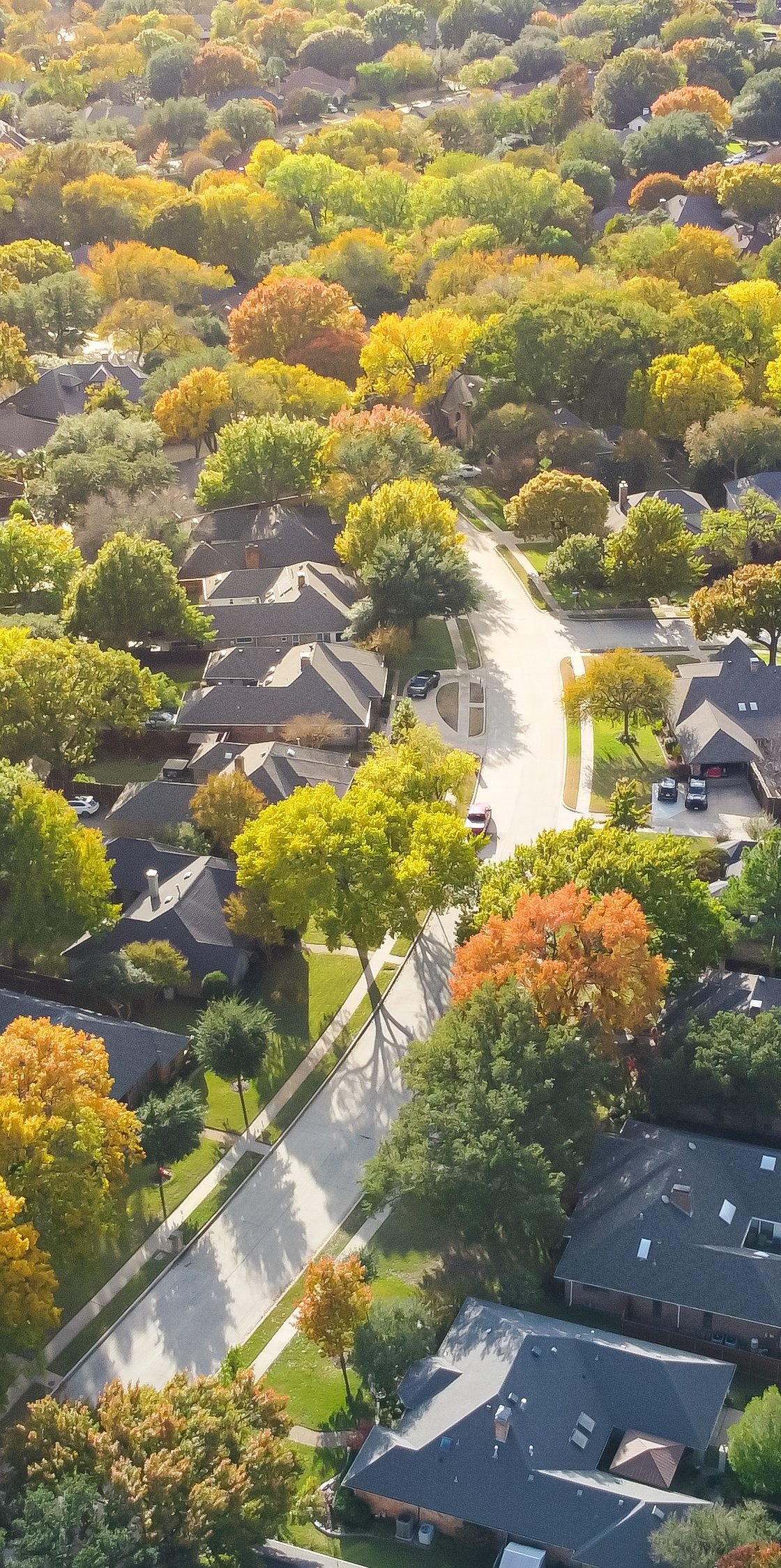
Kessler Park sits in Oak Cliff’s rolling hills, about 1 to 3 miles from Bishop Arts and roughly 3 miles from downtown Dallas, blending convenience with a tucked-away feel. You will find mature trees, limestone outcrops, and winding streets that set it apart from flatter parts of the city. For a quick area snapshot, explore this concise Kessler neighborhood guide.
Beyond the setting, buyers value Kessler’s architectural mix and the neighborhood’s thoughtful approach to preserving its character. That approach affects how you plan updates, permits, and timelines, which we break down below.
What “Conservation District” means in Kessler
Kessler Park is a City of Dallas Conservation District (CD #13). Conservation districts regulate exterior changes to protect neighborhood character. That means many visible alterations to a home’s exterior will be reviewed by the city for compatibility with the area’s standards. Start with the city’s Kessler Park Conservation District page for ordinance and map links.
National Register vs local rules
Parts of Kessler Park are also listed in a National Register historic district. This federal recognition documents architectural significance, but it is distinct from what the city enforces. In Dallas, the conservation district ordinance is the controlling set of rules for most exterior work. You can read about Texas listings through the National Park Service.
Work that triggers city review
City policy treats conservation districts and local historic overlays differently, but both may require review before work begins. In Kessler, you can expect a Conservation District Work Review (CDWR) for exterior changes covered by the ordinance. If a home also sits in a local historic overlay, a Certificate of Appropriateness process may apply. The Dallas News explainer offers a helpful overview of how the two designations differ.
The City of Dallas Code outlines when CDWR is required and how applications are processed. Review the code section on conservation district work review and the Kessler ordinance to understand if your project would be reviewed for elements like windows, rooflines, additions, fences, driveways, and major landscaping.
Architectural styles you will see
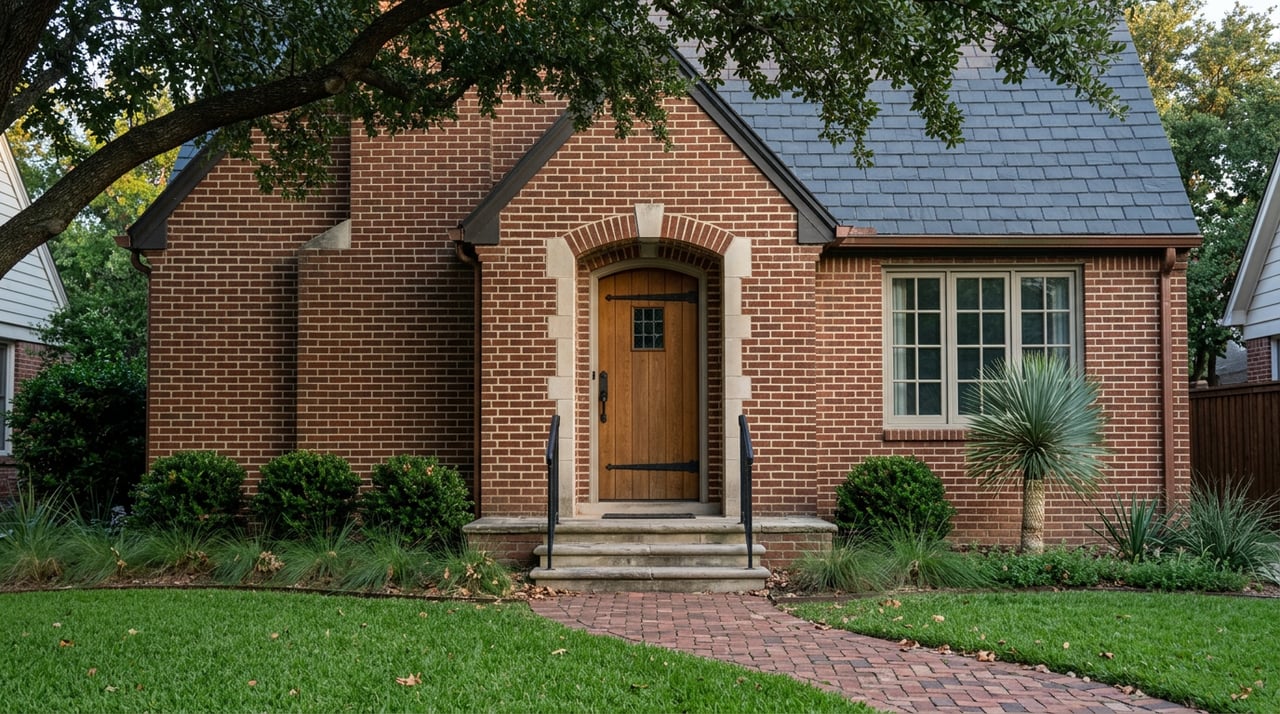
You will see early to mid-20th-century homes, especially from the 1920s through the 1940s. Typical styles include Tudor Revival, Mission/Spanish (Mediterranean), and Bungalow/Craftsman, plus some later infill across the broader Kessler area. The City’s historic preservation resources provide photos and surveys of these periods and styles. Explore the research tools and documents to get a feel for the neighborhood’s character.
Materials and site features to expect
Common Kessler exteriors feature brick, stucco, and stone, often with wood trim and original wood-sash windows. Interiors may retain plaster-and-lath walls, period trim, and hardwood floors. Many lots are wooded with notable slope. These qualities drive the neighborhood’s appeal and shape renovation choices, since things like drainage, foundations, and material matching often require extra attention.
Inspections that protect your purchase
Older homes are not risky by default. Many Kessler properties have been thoughtfully maintained and updated. Still, targeted inspections can save you from costly surprises later.
- Schedule a full general home inspection with someone experienced in older Dallas homes.
- Plan for a structural engineer evaluation if your inspector flags sloping floors, wall cracks, or prior pier work.
- Order a sewer scope and plumbing checks. Plumbing leaks can contribute to differential moisture and foundation movement, a known factor in North Texas. A local engineering resource outlines how leaks and drainage issues affect movement in our region here.
- Request a termite and pest inspection, and check for wood decay, especially on mature-tree lots.
- For homes built before 1978, understand your right to lead-based paint disclosure and testing. See the EPA’s guidance on lead disclosures and buyer rights.
Foundation and drainage in Dallas clay soils
Much of Dallas sits on clay-rich Blackland Prairie soils that shrink when dry and swell when wet. That soil behavior can cause foundation movement over time, which is why grading, gutters, and consistent moisture management are priorities. Regional references to this clay context help explain why Dallas buyers take foundation history seriously.
Plumbing, sewer, and hazards
In older homes, a sewer scope is inexpensive peace of mind. Plumbing leaks, especially under slabs, can leave moisture where you do not want it, which can influence movement and finishes. If your home was built before the late 1970s, budget time for hazardous-material screening before disturbing suspect materials, and follow applicable regulations.
Renovation planning and timelines
If you plan to modernize a historic home, factor in both city review and typical upgrades for older properties. A little extra planning early keeps the project smooth.
Typical updates and cost drivers
Buyers commonly update kitchens, bathrooms, HVAC, electrical service, and roofs. Drainage improvements are popular to move water away from the house on sloped lots. Cost drivers often include period-appropriate window or trim replacement, foundation stabilization, and site-specific grading or retaining walls. Because exterior work can trigger CDWR or a Certificate of Appropriateness in some cases, your designer may need to adjust materials or details to meet city standards. The Dallas News overview explains how these reviews shape renovation choices.
Permits and approvals to budget
Expect a municipal review step, in addition to standard building permits, for covered exterior work. Before you close or begin design, confirm whether your address is inside the Kessler Park Conservation District and whether any local historic overlay also applies. Use the city’s Kessler Park Conservation District page and the code section on CD work review to understand what triggers review.
Financing and insurance for older homes
If your dream home needs work, purchase-plus-renovation loans can bundle acquisition and improvements in one mortgage. Two programs to discuss with your lender are:
- FHA 203(k). Combines purchase and rehab financing and is often used for older homes. Learn more about program types and requirements through HUD’s 203(k) page.
- Fannie Mae HomeStyle Renovation. A conventional option that finances purchase and qualified renovation costs in one loan. Review details at Fannie Mae HomeStyle Renovation.
Availability, consultant requirements, and underwriting vary by lender, so engage a lender early if you plan a significant renovation.
For insurance, older systems like roofs or legacy wiring can affect underwriting. Share plans for upgrades with your insurance agent upfront to avoid delays and to understand any required updates.
Your Kessler Park buyer checklist
Use this quick list to evaluate a historic home with confidence:
- Confirm if the address is inside Kessler Park Conservation District (CD #13) and whether a local historic overlay also applies. Start with the city’s Kessler Park page.
- Ask the seller and listing agent for permit and repair history, including foundation work, roof replacement, electrical panel changes, and HVAC upgrades.
- Book a home inspection with an older-home expert, and add a structural engineer evaluation if foundation movement is suspected. See regional context on leaks and movement here.
- Order a sewer scope. For pre-1978 homes, review your EPA lead disclosure rights and consider testing before renovation.
- If you plan updates, talk with your lender about FHA 203(k) or HomeStyle Renovation to understand budget, timeline, and consultant needs. Explore 203(k) details and HomeStyle overview.
- Build realistic contingencies in your contract for inspections, engineering, and any required CDWR or Certificate of Appropriateness review.
How we guide your historic-home search
Buying a character home should feel exciting, not overwhelming. Our team pairs neighborhood-first expertise with concierge service so you can focus on living, not just logistics. We help you vet properties for conservation-district implications, line up the right inspectors, and structure offers with smart contingencies. When you are ready to navigate Kessler Park with confidence, connect with the Texas Collective Group to start your search.
FAQs
What makes Kessler Park different for historic-home buyers?
- Kessler Park is a City of Dallas Conservation District, so many exterior changes require city review to maintain neighborhood character, which affects planning and timelines.
Do all exterior changes need approval in Kessler Park?
- Not all, but work covered in the conservation district ordinance often requires a Conservation District Work Review, and some areas may also require a Certificate of Appropriateness.
How close is Kessler Park to Bishop Arts and downtown Dallas?
- The neighborhood sits about 1 to 3 miles from Bishop Arts and roughly 3 miles from downtown, offering a close-in location with a leafy, residential feel.
Which inspections are most important for a 1920s–1940s Kessler home?
- Start with a general home inspection, then add a structural engineer review if needed, a sewer scope, pest inspection, and lead-based paint testing for pre-1978 homes.
Are National Register homes in Kessler subject to extra local rules?
- National Register recognition documents significance, but local conservation or historic overlay rules govern what you can change, so confirm which local rules apply to your address.
Can I use a renovation loan to buy and update a Kessler home?
- Yes, buyers often use FHA 203(k) or Fannie Mae HomeStyle Renovation to combine purchase and renovation costs in one mortgage, subject to lender guidelines.