Love the look of a deep front porch, a storybook gable, or a ribbon of windows that floods a room with light? If you are buying or selling in Lakewood or East Dallas, architectural style plays a big role in everyday living and long-term value. This guide will help you recognize the homes that define these neighborhoods, understand what features matter, and know how style connects to maintenance, permitting, and resale. Let’s dive in.
Why styles matter in Lakewood and East Dallas
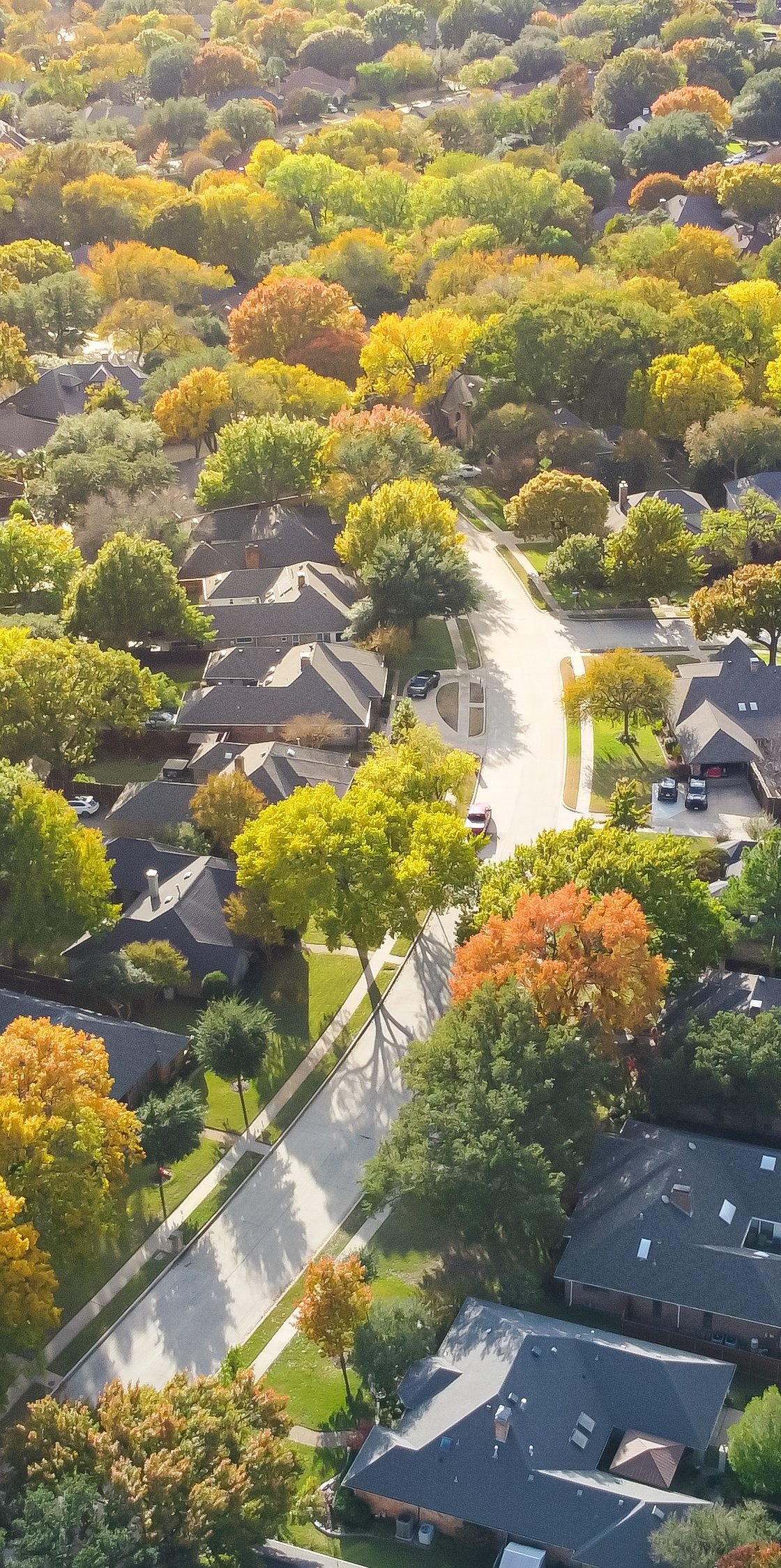
Early development around White Rock Lake and Old East Dallas shaped lot sizes, streetscapes, and the types of houses you see today. Most residential pockets took off from the 1910s through the 1930s, with another wave post World War II. That means you are likely to encounter Craftsman bungalows, Tudor Revival cottages, Prairie-influenced homes, Colonial Revival classics, Spanish and Mediterranean Revivals, plus mid-century and thoughtful contemporary infill.
Character sells in these neighborhoods. Well-preserved details often draw strong interest, while sensitive updates make daily life easier without losing charm. Understanding style helps you prioritize what to preserve, where to invest, and how to position your home in the market.
Key styles you will see
Craftsman bungalow
- Era: 1910s to 1930s.
- Hallmarks: Low gabled roofs, wide eaves with exposed rafter tails, and a deep front porch with tapered columns on brick or stone piers. Windows often show multi-pane uppers over single panes.
- Interiors: Open living and dining flow for the era, built-in bookcases and cabinetry, hardwood floors, and a focal fireplace.
- What to love: Original built-ins, intact brackets, and porch details. These features photograph beautifully and anchor curb appeal.
- Renovation notes: Repair original windows and trim when practical. Modernize kitchens and baths in a way that keeps the built-in character. Porches are character defining, so prioritize their restoration.
Prairie influenced
- Era: 1900s to 1920s, often seen as influence rather than pure Prairie School.
- Hallmarks: Strong horizontal lines, low hipped roofs with wide eaves, grouped windows, and integrated porches or terraces.
- Interiors: Open arrangements for the period, custom millwork, and clean lines.
- What to love: Continuous window bands, substantial eaves, and original oak floors or leaded windows.
- Renovation notes: Keep window proportions and masonry patterns consistent. Tall, vertical additions can conflict with the style.
Tudor Revival
- Era: 1920s to 1930s.
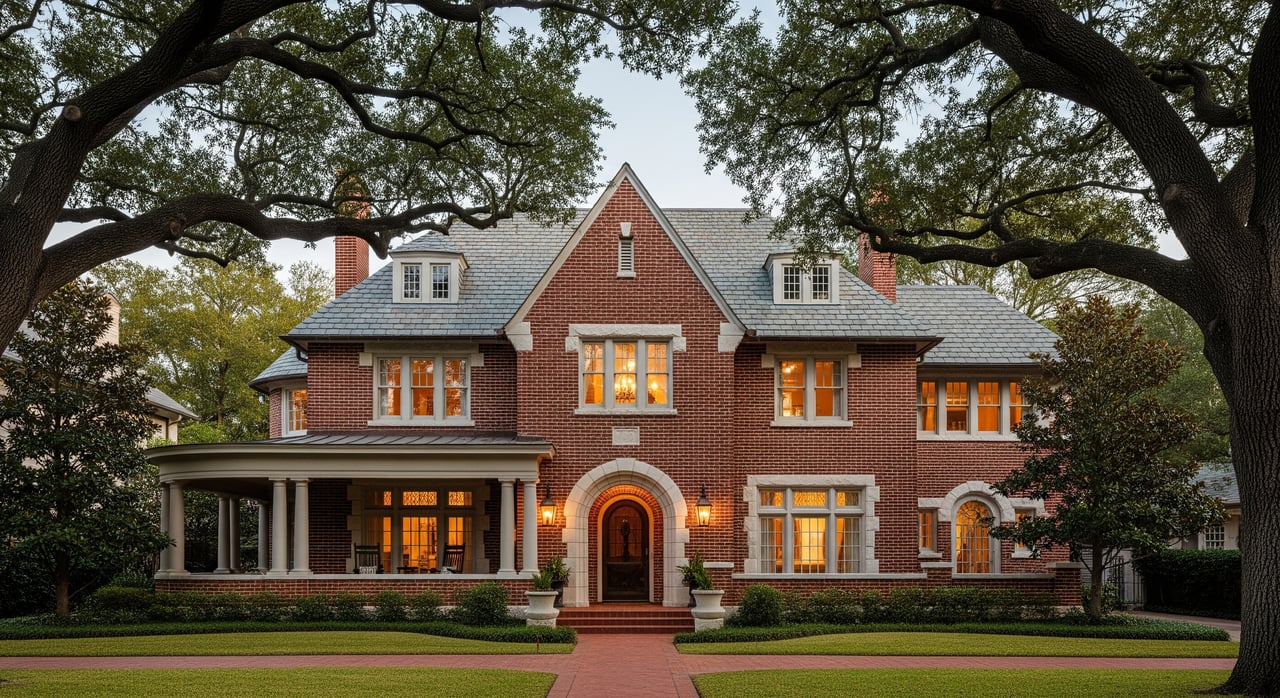
- Hallmarks: Steeply pitched roofs, cross gables, arched doorways, tall narrow windows, and decorative chimneys. Some homes feature half-timbering with stucco.
- Interiors: Arched openings, plaster walls, built-ins, and cozy, compartmentalized layouts.
- What to love: Original brick or stonework, arched entries, and leaded glass or casements.
- Renovation notes: Rooflines and chimneys are signature elements. Be careful with roof vents, window replacements, and any changes that alter silhouettes.
Colonial Revival
- Era: 1910s to 1930s, with later revivals mixed in.
- Hallmarks: Balanced façades, a front entry highlighted by columns or pilasters, and multi-pane double-hung windows with shutters.
- Interiors: Formal entries, classic staircases, and paneled woodwork in some homes.
- What to love: Original moldings, symmetry, and proportion. These homes stage well with simple, classic furnishings.
- Renovation notes: Preserve window patterns and door surrounds. Keep additions proportional to maintain balance.
Spanish and Mediterranean Revival
- Era: 1920s to 1930s, found in pockets.
- Hallmarks: Stucco walls, red clay tile roofs, arched openings, wrought-iron details, and small courtyards or loggias.
- Interiors: Plaster walls and tile floors, often with arched interior transitions.
- What to love: Original tile roofs, arched windows, and ironwork that adds romance and texture.
- Renovation notes: Clay tile roofs can be costly to replace. Match stucco texture carefully when repairing.
Victorian era examples
- Era: Late 19th century, concentrated in parts of Old East Dallas.
- Hallmarks: Asymmetry, decorative trim, towers or turrets, complex rooflines, and patterned shingles.
- Interiors: High ceilings and detailed woodwork.
- What to love: Stained glass, gingerbread trim, and turned porch posts.
- Renovation notes: Ornamental woodwork and siding repair can be labor intensive. Historically informed paint schemes can refresh curb appeal.
Mid-century and postwar
- Era: 1940s to 1960s.
- Hallmarks: Lower rooflines, simpler façades, and more openness than earlier homes. Larger window openings are common.
- What to love: Clean lines and great renovation potential.
- Renovation notes: Modern upgrades pair well with preserved period features like built-ins and original windows when feasible.
Contemporary infill
- Era: 1990s to present.
- Hallmarks: Neo-eclectic blends and transitional designs that nod to the neighborhood while delivering modern interiors.
- What to love: New systems, efficient layouts, and space for current living.
- Renovation notes: When building or updating, scale and massing matter. Aim to complement the streetscape, especially near historic homes.
Historic districts and what they mean
Several East Dallas corridors are recognized for historic significance, including well-known areas like Swiss Avenue and Munger Place. National Register status recognizes importance but does not itself restrict private changes. Local historic designation or a historic overlay is what usually triggers review before exterior changes.
If a property sits in a local historic district, significant exterior work that is visible from the street typically requires approval, often through a Certificate of Appropriateness process. Always verify district boundaries and review steps before you plan exterior renovations, demolition, or new construction. Availability of incentives can vary by program and year, so confirm current options with city and state preservation resources.
Buying a character home: what to check
Older homes are loved for their feel and craftsmanship. They also come with systems and materials that need extra due diligence. A thorough inspection helps you plan for upgrades and negotiate with confidence.
- Mechanical systems: Some homes may have legacy wiring or older plumbing. Budget for modernization if needed.
- Foundations and site: Dallas clay soils can cause movement. Check pier and beam supports for sagging floors or moisture, and look for settlement cracks.
- Roofs and drainage: Slate or clay tile may still be present. Repairs and replacement can be significant.
- Energy performance: Original wood windows and minimal insulation are common. Many buyers choose to repair windows and add storm windows rather than replace them.
- Hazardous materials: Pre-1978 homes may include lead paint or asbestos in some materials. Testing helps you plan safe improvements.
Selling a style-forward home: how to shine
Buyers in Lakewood and East Dallas value authenticity plus thoughtful updates. The right preparation lets your home stand out.
- Highlight original features: Built-ins, woodwork, fireplaces, hardwood floors, and intact windows are top draws.
- Showcase condition: Document roof, HVAC, electrical, plumbing, and foundation work. Clear records increase confidence.
- Tell the story: If your home is in a historic district or has period-specific features, include that detail in your listing description.
- Stage for character: Use furnishings that complement scale and style without clutter. Photograph porch columns, leaded glass, mantels, and trim.
Renovation and permitting tips
- Confirm district status first: If there is a local historic overlay, apply for review before changing anything visible from the street.
- Use experienced trades: Contractors familiar with masonry, plaster, vintage windows, and wood siding can often repair rather than replace.
- Keep changes reversible: Prioritize minimally invasive upgrades. Ductless HVAC, careful insulation, and window repair with storms can preserve character.
- Match materials and proportions: In Prairie-influenced homes, emphasize horizontal lines. In Tudor homes, protect roof and chimney expressions.
Value and market takeaways
- Character attracts: Many buyers will pay a premium for authentic details and tree-lined streets near White Rock Lake.
- Budget realistically: Historic charm can come with higher maintenance and specialized labor.
- Understand infill dynamics: Some blocks have seen teardowns and larger new builds, which can affect the look of the street and valuation comparisons.
- Invest smartly: Sympathetic kitchen and bath updates improve marketability. Structural repairs and system upgrades lay the groundwork for top pricing.
How to identify your home’s style
- Start with the roof: Low gables and deep eaves suggest Craftsman. Steep cross gables point to Tudor. Low hipped roofs with wide eaves can indicate Prairie influence.
- Look at the porch and entry: Tapered columns on brick piers are classic Craftsman. A centered, columned entry is common in Colonial Revival. Arched openings appear in Spanish and Mediterranean Revivals.
- Check windows: Grouped casements and ribbon windows lean Prairie. Tall, narrow windows show up in Tudor. Multi-pane double-hung windows fit Colonial Revival.
- Note materials and ornament: Stucco and tile roofs suggest Spanish or Mediterranean. Decorative half-timbering is a Tudor clue. Decorative shingles and gingerbread are often Victorian.
Ready to narrow your search or position your home for the market? Our team pairs neighborhood storytelling with white-glove presentation to help you move with confidence. Reach out to the Texas Collective Group to start a design-aware plan that fits your goals.
FAQs
How do I tell Tudor Revival from Craftsman in East Dallas?
- Tudor roofs are steep with cross gables and arched entries, while Craftsman homes have low gables, wide eaves with exposed rafters, and deep porches with tapered columns.
What does a historic overlay in Dallas require from homeowners?
- Properties in a local historic district typically need approval for exterior changes that are visible from the street, often through a Certificate of Appropriateness process.
Are original wood windows worth keeping in Lakewood bungalows?
- Often yes. Repaired original windows paired with storm windows can balance efficiency and character while protecting the home’s architectural integrity.
What are common inspection issues in older East Dallas homes?
- Expect to review electrical and plumbing age, foundation movement on clay soils, roof condition, insulation levels, and possible presence of lead paint or asbestos.
Which upgrades add the most value to a historic-style home?
- Sympathetic kitchen and bath updates, documented system upgrades, and careful restoration of visible character features tend to deliver the strongest market response.